

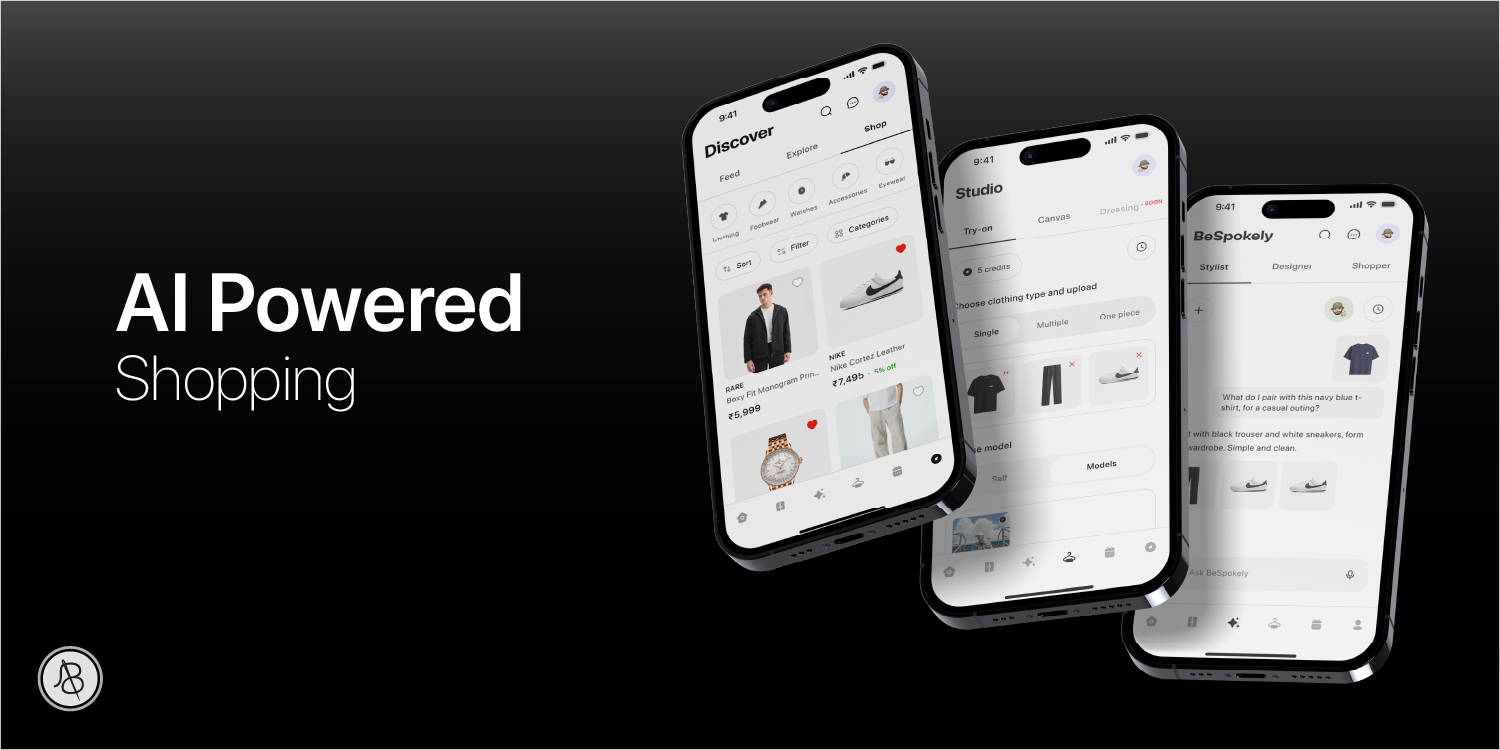
By weaving together machine learning, computer vision, and sophisticated data analysis, artificial intelligence is transforming the way we discover, choose, and purchase fashion online. It acts as a virtual personal stylist, cutting through the noise of endless product pages to deliver a curated, efficient, and deeply personal journey.
The integration of AI in fashion is more than a simple convenience. It represents a fundamental shift in the relationship between consumer and retailer. For shoppers, it promises a world where style experimentation is encouraged, and finding the perfect outfit is effortless. For brands, it unlocks unprecedented opportunities for inventory optimization, demand forecasting, and creating a more sustainable business model. As we stand at this intersection of technology and fashion, it is clear that AI is not just enhancing the retail experience—it is redefining its very fabric.
The sophisticated AI systems we interact with today did not appear overnight. Their origins trace back to the early days of e-commerce, when retailers first grappled with the challenge of replicating the personalized service of a brick-and-mortar store in a digital environment. The initial forays into this space were rudimentary yet revolutionary for their time.
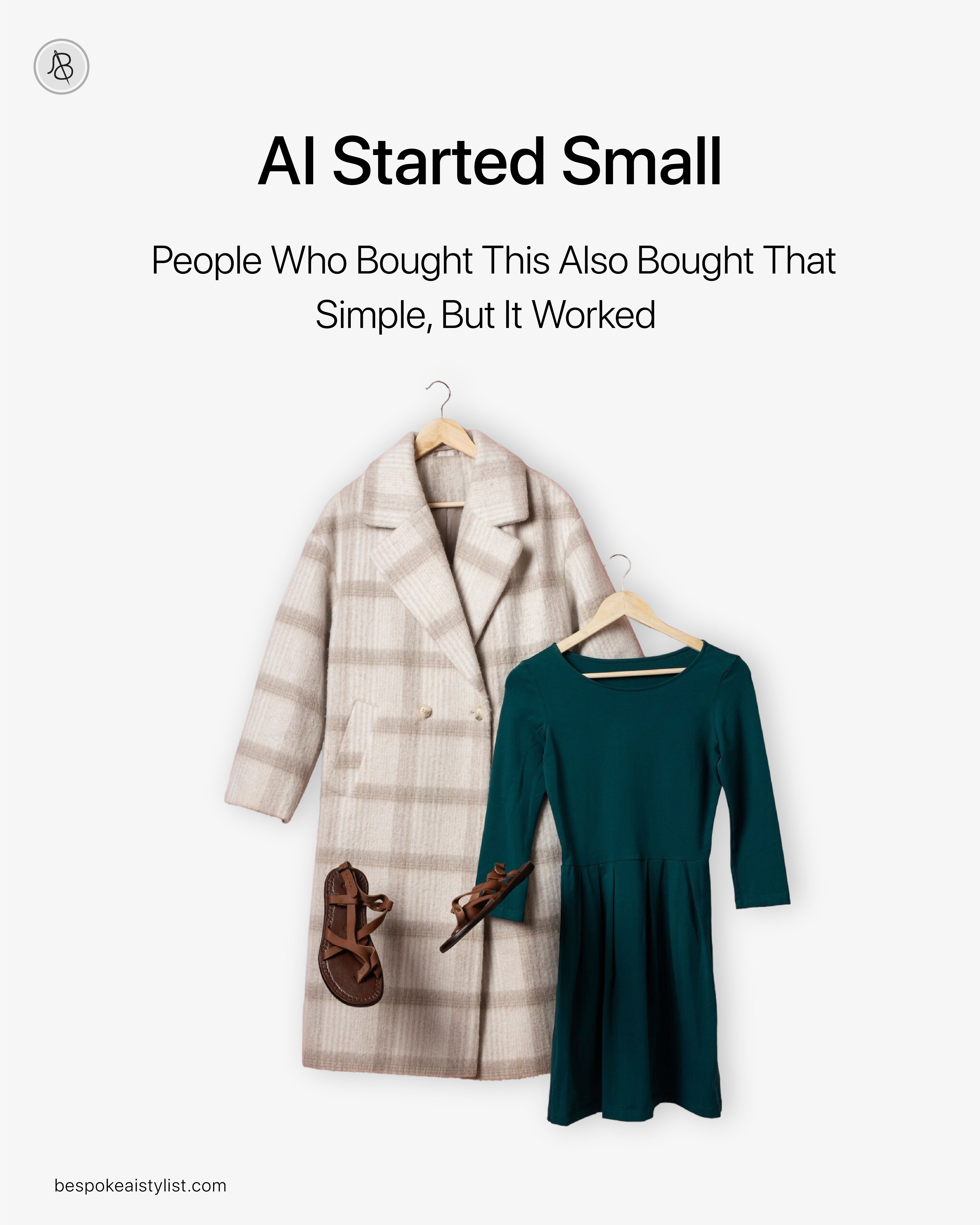
In the early 2010s, online shoppers became familiar with simple recommendation algorithms. Phrases like “People who bought this also bought that” or “Frequently bought together” began appearing on product pages. These systems, powered by a technique known as collaborative filtering, analyzed the collective behavior of millions of users. They identified patterns in purchasing habits to suggest items that other, similar customers had enjoyed. While this approach was a significant step forward from static catalogs, it was far from personal. The recommendations were based on the wisdom of the crowd, not the unique preferences of the individual.
These early systems laid the crucial groundwork for what was to come. They demonstrated that data could be used to guide purchasing decisions and enhance the user experience. As computing power grew and machine learning algorithms became more advanced, the potential for true personalization began to emerge. The focus shifted from what a group of people bought to what you might want to buy. This transition marked the birth of the personalized shopping experience as we know it, setting the stage for AI to move beyond simple product suggestions and into the realm of genuine style curation.
The journey from basic recommendation engines to the complex AI stylists of today was driven by advancements in several key technological areas. The evolution was not just about better algorithms; it was about teaching machines to see, understand, and predict fashion in a way that mirrors human intuition.
Machine learning models became exponentially more powerful. Instead of just looking at purchase history, they could now analyze a vast spectrum of data points. This included browsing behavior, items a user clicks on, how long they linger on a page, what they add to their cart (even if they don't purchase), and what they add to their wish list. This rich tapestry of data allowed AI to build a much more nuanced profile of a user's style preferences.
Simultaneously, the field of computer vision made incredible leaps. AI could now “see” and interpret images with remarkable accuracy. It could identify specific attributes within a product photo—a V-neckline, a floral pattern, a midi-length hem, a specific shade of blue. This capability, known as attribute extraction, allowed the AI to understand the aesthetic components of a user's taste. If you consistently browsed A-line skirts and puff-sleeve blouses, the AI could recognize this pattern and recommend new items that fit your "romantic" or "feminine" style, even if those words were never used in the product descriptions.
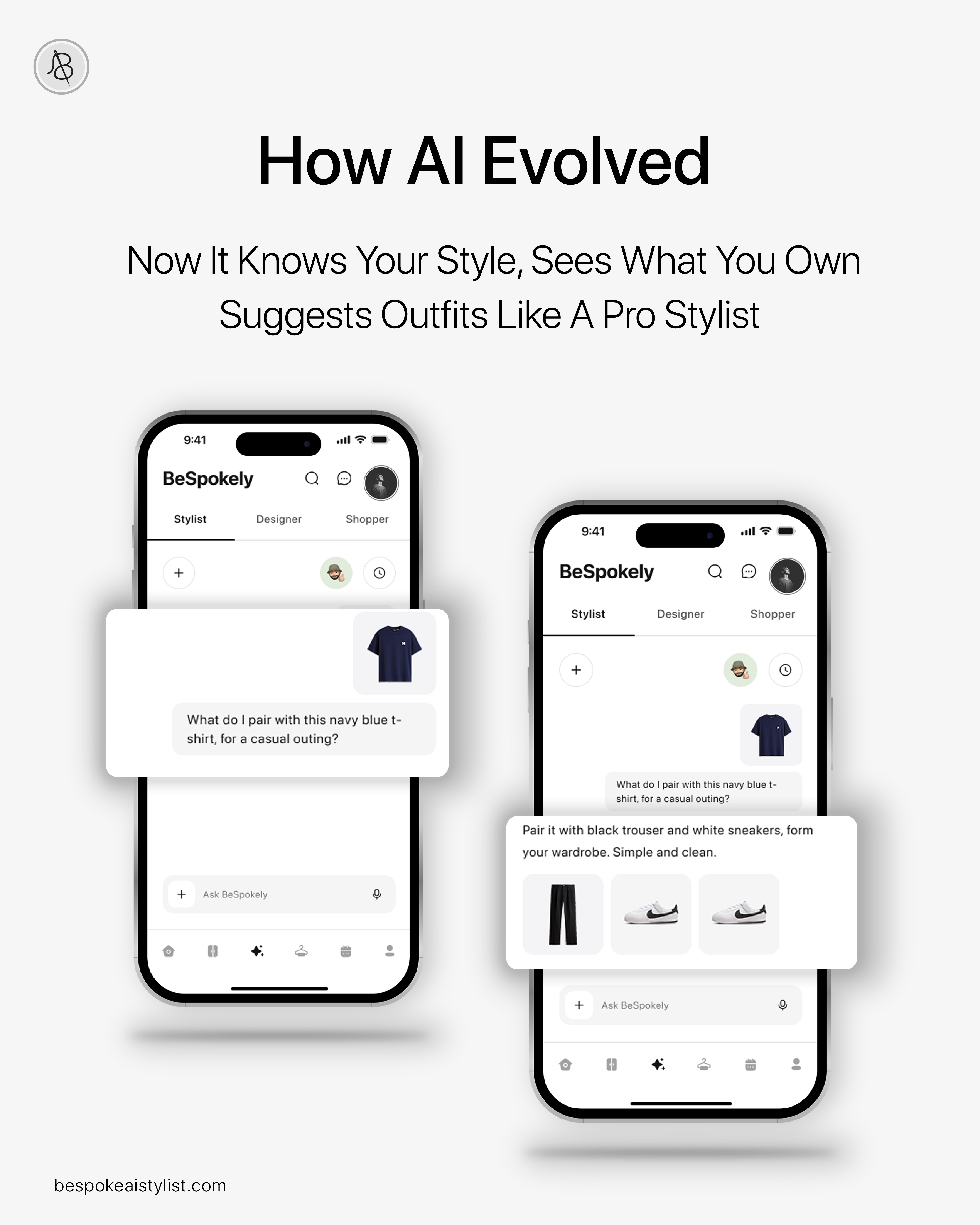
This evolution culminated in the development of predictive styling. AI can now function as a proactive stylist, suggesting not just individual items, but complete outfits. By analyzing the contents of your past purchases or even your current wardrobe (if you choose to share that data via wardrobe-scanning apps), the AI can recommend a new blazer that would perfectly complement the five tops you already own. It can suggest a pair of shoes to go with the dress you just bought for a wedding or propose new ways to style a skirt you haven't worn in months. This predictive capability transforms shopping from a reactive task to a creative, collaborative process between the user and the technology.
Today, AI powered shopping is seamlessly integrated into the platforms of the world’s biggest fashion retailers. From global giants like Amazon and ASOS to fast-fashion powerhouses like Shein, AI is the invisible engine driving the user experience.
ASOS, for example, uses AI to power its "Style Match" feature. A user can upload a photo of an outfit they saw on the street or in a magazine, and the AI will scan the platform's vast inventory to find visually similar items. This turns the entire world into a shoppable catalog, bridging the gap between inspiration and purchase. The platform also uses AI to personalize the user’s homepage, curating a unique storefront based on their brand affinities, size preferences, and browsing history.
Amazon’s "The Drop" leverages AI to create limited-edition, influencer-designed collections on a made-to-order basis. By analyzing real-time data on which styles are trending, the platform can predict demand with high accuracy, producing only what is likely to sell.
Beyond these large platforms, a new generation of dedicated styling apps is pushing the boundaries even further. These applications act as a true virtual personal stylist, offering services that were once reserved for the wealthy. Some apps can scan the contents of your physical wardrobe and digitize it, allowing you to mix and match new potential purchases with items you already own. Others ask you to complete a detailed style quiz, then connect you with human stylists who use AI-powered tools to curate a selection of clothes sent directly to your home.
This deep integration of AI does more than just make shopping faster. It actively encourages style experimentation. An AI might suggest a color combination or a silhouette you had never considered, nudging you out of your style comfort zone. By presenting you with looks that are just adjacent to your known preferences, it can help you discover new facets of your personal style in a low-risk, inspiring way.
One of the most exciting frontiers in AI in fashion is the integration of augmented reality. Augmented reality shopping addresses one of the longest-standing challenges of e-commerce: the inability to try before you buy. This single issue is a major driver of customer hesitation and a primary cause of costly returns for retailers.
Virtual try-on technology uses a device's camera (on a smartphone or a smart mirror in-store) to overlay a digital version of a garment onto the user's body in real time. Advanced AI algorithms ensure that the virtual clothing moves and drapes realistically as the person moves. This allows shoppers to see how a dress might fit, how a color complements their skin tone, or how a particular silhouette looks on their body shape—all without ever setting foot in a dressing room.
Brands like Gucci have pioneered this technology, allowing users to "try on" sneakers through a dedicated app. Warby Parker famously uses AR to let customers see how different eyeglass frames look on their face. This technology is now expanding into apparel, with companies developing solutions that can accurately render the fit and texture of everything from t-shirts to formal gowns.
The benefits are twofold. For consumers, it dramatically increases purchasing confidence. The uncertainty of online shopping is reduced, leading to a more satisfying experience. For retailers, the impact is transformative. By helping customers make better choices, virtual try-ons can significantly lower return rates. This is not just a financial win; it is a major victory for sustainability. Every item that isn’t returned is an item that doesn’t require return shipping, repackaging, and restocking—processes that carry a substantial environmental footprint.
As AR technology becomes more sophisticated and accessible, it promises to create a truly immersive and interactive retail environment. The line between physical and digital shopping will continue to blur, offering a seamless experience that combines the convenience of online with the confidence of in-store.
While the consumer-facing applications of AI are the most visible, the technology’s impact on the back-end operations of fashion retail is equally profound. For brands and retailers, AI is a powerful tool for optimizing inventory, forecasting demand, and building a more profitable and sustainable business.
One of the biggest challenges in fashion is managing inventory. Ordering too much of a particular style leads to markdowns and wasted product, while ordering too little results in lost sales and frustrated customers. AI-powered demand forecasting models can analyze a massive array of signals—historical sales data, current social media trends, influencer mentions, and even weather forecasts—to predict which items will be popular with a high degree of accuracy. This allows retailers to make much smarter buying decisions, ensuring that they have the right products in the right quantities at the right time. This reduces the financial risk associated with unsold stock and maximizes revenue potential.
AI allows for hyper-personalized marketing at a scale that was previously unimaginable. Instead of sending a generic promotional email to their entire customer base, a brand can now send thousands of unique versions, each tailored to the recipient's individual style. A customer who has shown a preference for minimalist, neutral-colored clothing might receive an email showcasing a new collection of linen trousers and silk blouses. Meanwhile, a shopper who loves bold prints and bright colors might see an email featuring a vibrant floral dress. This level of personalization makes marketing feel less like an advertisement and more like a helpful suggestion, leading to significantly higher engagement and conversion rates.
Perhaps one of the most important benefits of AI in fashion is its potential to support sustainability. The fashion industry has long been criticized for its environmental impact, much of which is driven by overproduction and waste. AI directly addresses this issue in several ways.
As mentioned, accurate demand forecasting means that brands produce less excess inventory, which is a major source of waste. Made-to-order models, powered by AI, eliminate this problem almost entirely by producing clothing only after it has been purchased.
Furthermore, AI-powered virtual try-ons reduce the carbon footprint associated with shipping returns. By helping customers get their size right the first time, AI minimizes the need for products to be shipped back and forth, saving on fuel, packaging, and labor. Data analysis can also help brands identify which items are being returned most frequently and for what reasons (e.g., "fit is too small"). This feedback loop allows them to improve their product design and sizing accuracy over time, further reducing returns.
By creating a more efficient and less wasteful system, AI is helping to steer the fashion industry toward a more responsible and sustainable future.
.png)
The evolution of AI powered shopping is far from over. As the technology continues to advance, we can expect the line between the digital and physical worlds of fashion to become even more blurred, creating a truly seamless and holistic retail ecosystem.
The next generation of AI stylists will likely become even more integrated into our daily lives. Imagine an AI that is connected to your digital calendar. It sees you have an important business meeting next week and proactively suggests three appropriate outfits from your existing wardrobe, along with a link to a new pair of shoes that would complete the look. Or perhaps it notices you have a beach vacation coming up and curates a personalized vacation capsule wardrobe for you to browse.
Hyper-personalization will extend beyond product recommendations to the products themselves. AI-driven design tools could allow for mass customization, where customers can tweak the design of a garment—adjusting the sleeve length, changing the color, or choosing a different fabric—before it is manufactured.
The in-store experience will also be transformed. Smart mirrors equipped with augmented reality shopping capabilities will become standard. You might walk into a store, have the mirror scan your body to determine your measurements, and then digitally "try on" dozens of outfits without ever taking off your coat. AI-powered clienteling apps will arm sales associates with detailed information about a customer's online browsing history and style preferences, allowing them to provide a level of personalized service that feels both high-tech and deeply human.
AI is fundamentally reshaping the online fashion landscape, moving it from a simple transactional marketplace to an interactive, personalized, and creative space. For consumers, it offers the promise of a smarter, more inspiring, and more confident shopping journey. The virtual personal stylist is no longer a luxury but an accessible tool that can help anyone explore and refine their personal style.
For retailers, AI is providing the tools to build a more efficient, profitable, and sustainable business model. By harnessing the power of data, brands can reduce waste, optimize their operations, and forge a deeper, more meaningful connection with their customers.
The rise of AI powered shopping is not about replacing the human element of fashion; it is about enhancing it. It is about using technology to handle the logistics of choice, freeing up consumers to focus on the joy of discovery and self-expression. As this technology continues to evolve, it will foster a new kind of creative partnership—a seamless collaboration between human intuition and artificial intelligence, working together to define the future of style. This is more than just the next chapter in retail; it is the beginning of a whole new story.