

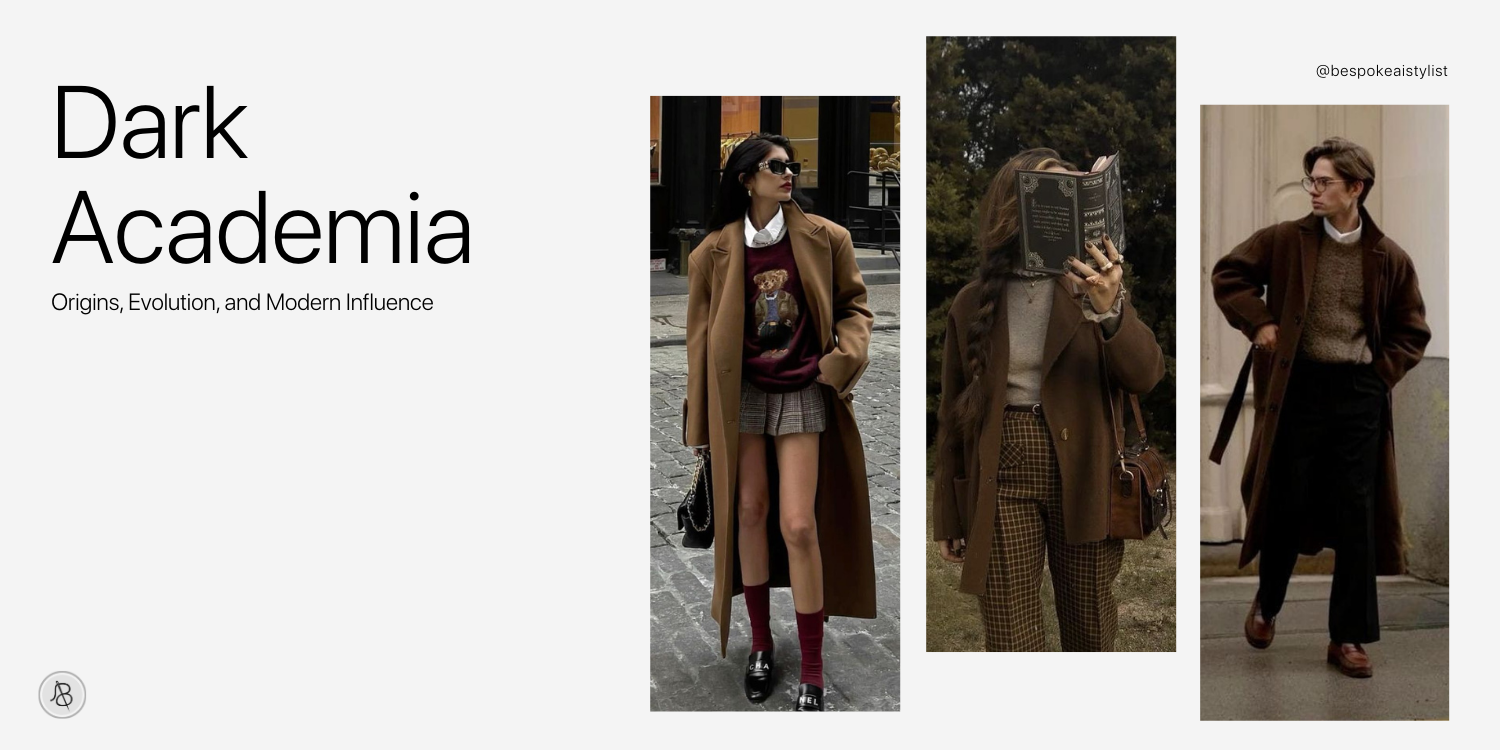
The scent of dust motes dancing in a sunbeam within a quiet library. The tactile scratch of a fountain pen nib against textured parchment. The melancholy beauty of rain lashing against the leaded glass windows of a gothic university tower. These are not merely isolated sensory experiences; they are the atmospheric pillars of a cultural phenomenon that has transcended the digital sphere to reshape the global fashion landscape. This is Dark Academia.
At first glance, the aesthetic might appear to be a simple appreciation for tweed blazers, elbow patches, and classic literature. However, beneath the layers of wool and corduroy lies a complex, multifaceted movement that romanticizes the pursuit of knowledge. It is a visual and intellectual subculture that intertwines vintage-inspired style with a deep, almost aching yearning for the arts, history, and the humanities. In an era increasingly defined by the sterile glow of screens and the fleeting nature of digital micro-trends, Dark Academia has proven its remarkable resilience. It has evolved from niche internet mood boards to a dominant force in modern culture, fundamentally reshaped by Gen Z’s desire for substance, sustainability, and sophisticated self-expression.
To truly understand the enduring appeal of this movement, we must peel back the layers of mystery to explore its literary origins, its explosive digital evolution, and how it has been reimagined for the modern, sustainable wardrobe.
The roots of Dark Academia fashion and culture dig deep into the soil of Western literary tradition and the romanticization of the liberal arts experience. While the specific terminology is a product of the internet age, the spirit of the aesthetic has existed for decades, arguably centuries. It is a sensibility that has always haunted the hallowed halls of higher education, but it required a specific cultural catalyst to coalesce into a defined movement.

The undisputed bible of the Dark Academia aesthetic is Donna Tartt’s 1992 novel, The Secret History. This literary masterpiece serves as the primary blueprint for the entire subculture. The narrative follows an elite, isolated group of classics students at a fictional Vermont college who slowly descend into madness, moral ambiguity, and eventually, murder. Tartt didn’t just write a thriller; she constructed a world. She gave us the essential template for the aesthetic: an obsession with the ancient past, a disregard for modern norms, an atmosphere of elitism and secrecy, and, crucially, an impeccable wardrobe of trench coats, round glasses, and loafers.
Tartt’s characters are not trendy; they are timeless. They dress like ghosts of the 1940s living in the 1980s. This deliberate anachronism is central to the scholarly aesthetic. It draws heavily from the "Oxbridge" ideal—the historic, ivy-clad imagery of Oxford and Cambridge Universities in the early 20th century. It celebrates a time when education felt tangible, weighty, and aesthetically rigorous.

Before it was a hashtag on social media, the scholarly aesthetic was canonized in cinema. Films like Dead Poets Society (1989) and Kill Your Darlings (2013) gave a distinct visual language to the movement. They showcased the allure of secret societies, poetry readings in candlelit caves, and the inherent rebellion of pursuing art over commerce. These narratives provided the visual cues that would later be adopted by millions: the disheveled tie, the ink-stained fingers, the passionate defense of beauty, and the oversized wool coats flapping in the autumn wind.
The origin of the aesthetic is fundamentally about a hunger for meaning. It acts as a counter-cultural reaction against the sleek, sterile minimalism of modern technology and the perceived superficiality of mainstream pop culture. It asks us to slow down. It demands that we read physical books rather than scrolls, that we think deeply rather than react quickly, and that we dress with intention rather than for convenience.

If literature provided the soul of Dark Academia, the internet built its body. The aesthetic as we know it today was forged in the crucibles of social media, evolving distinct characteristics on different platforms over the last decade.
In the early-to-mid 2010s, Tumblr was the primary incubator for the subculture. Here, the focus was less on personal style and more on atmosphere and curation. Users meticulously curated "mood boards" featuring grainy images of cups of black coffee, piles of leather-bound books, foggy architecture, and dried flowers.
The onset of the 2020s, accelerated by the global lockdowns of the COVID-19 pandemic, saw Dark Academia migrate to TikTok and Instagram. This shift was pivotal and transformative. This democratization of the aesthetic allowed it to explode in popularity. It made intellectual fashion trends accessible to a global audience who realized they didn’t need an Ivy League acceptance letter to dress the part
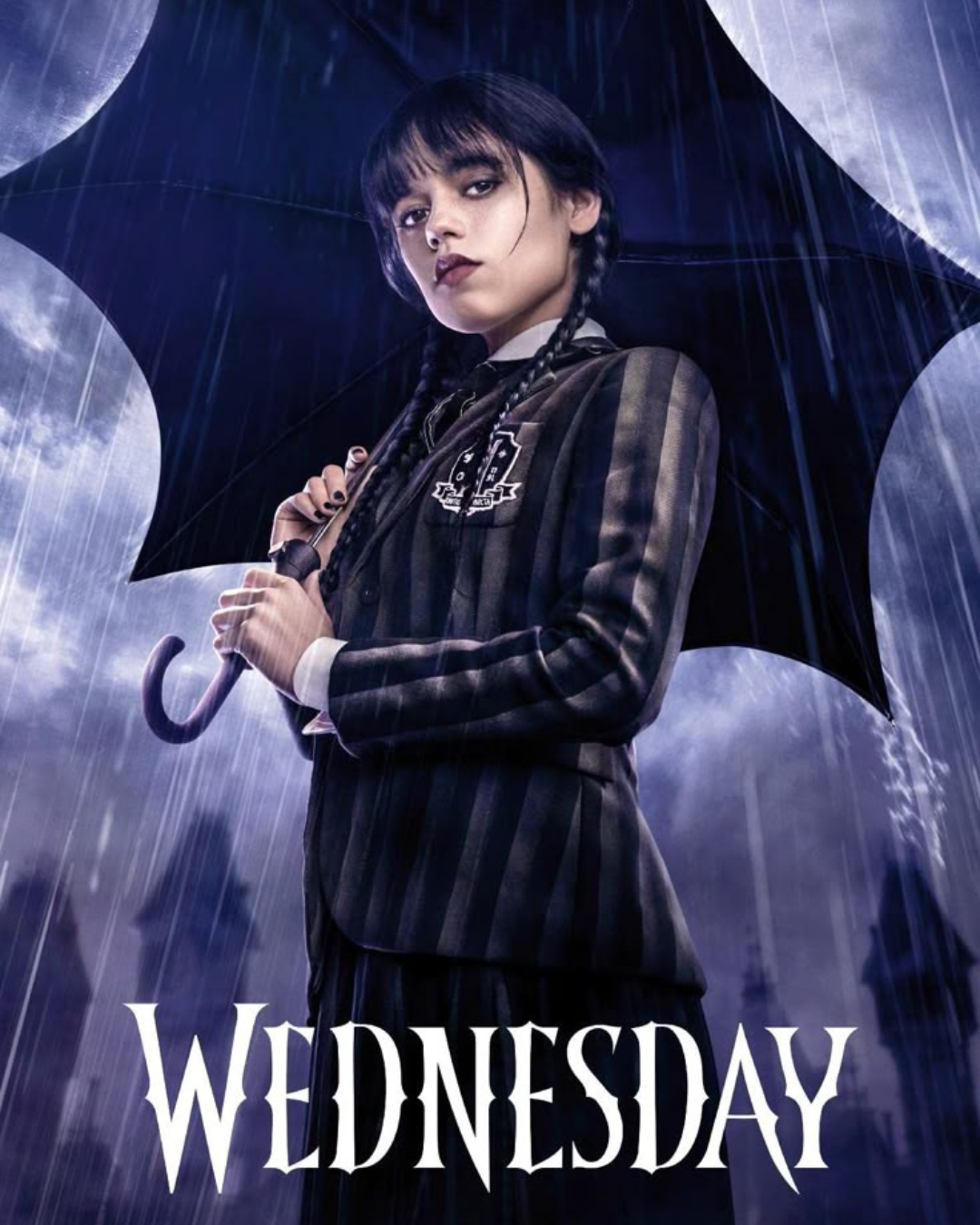
While the aesthetic was already thriving online, the release of Netflix’s Wednesday in late 2022 acted as a massive cultural accelerant, introducing a goth-infused variation of the style to the mainstream.
Jenna Ortega’s portrayal of Wednesday Addams offered a sharper, darker, and more lethal edge to the traditional academic look. The costume design by Colleen Atwood masterfully blended the preppy codes of the fictional Nevermore Academy—striped blazers, ties, pleated skirts—with a distinct gothic sensibility.
This influence cannot be overstated. It bridged the gap between Goth and Prep, creating a sub-genre often referred to as "Darkest Academia." It validated the use of sheer blacks, chunky platform loafers (the Prada Monolith effect), and severe silhouettes alongside the softer, vintage elements. For Gen Z, Wednesday proved that the scholarly aesthetic could be edgy and rebellious, not just dusty and quiet. It invited a new demographic into the fold.
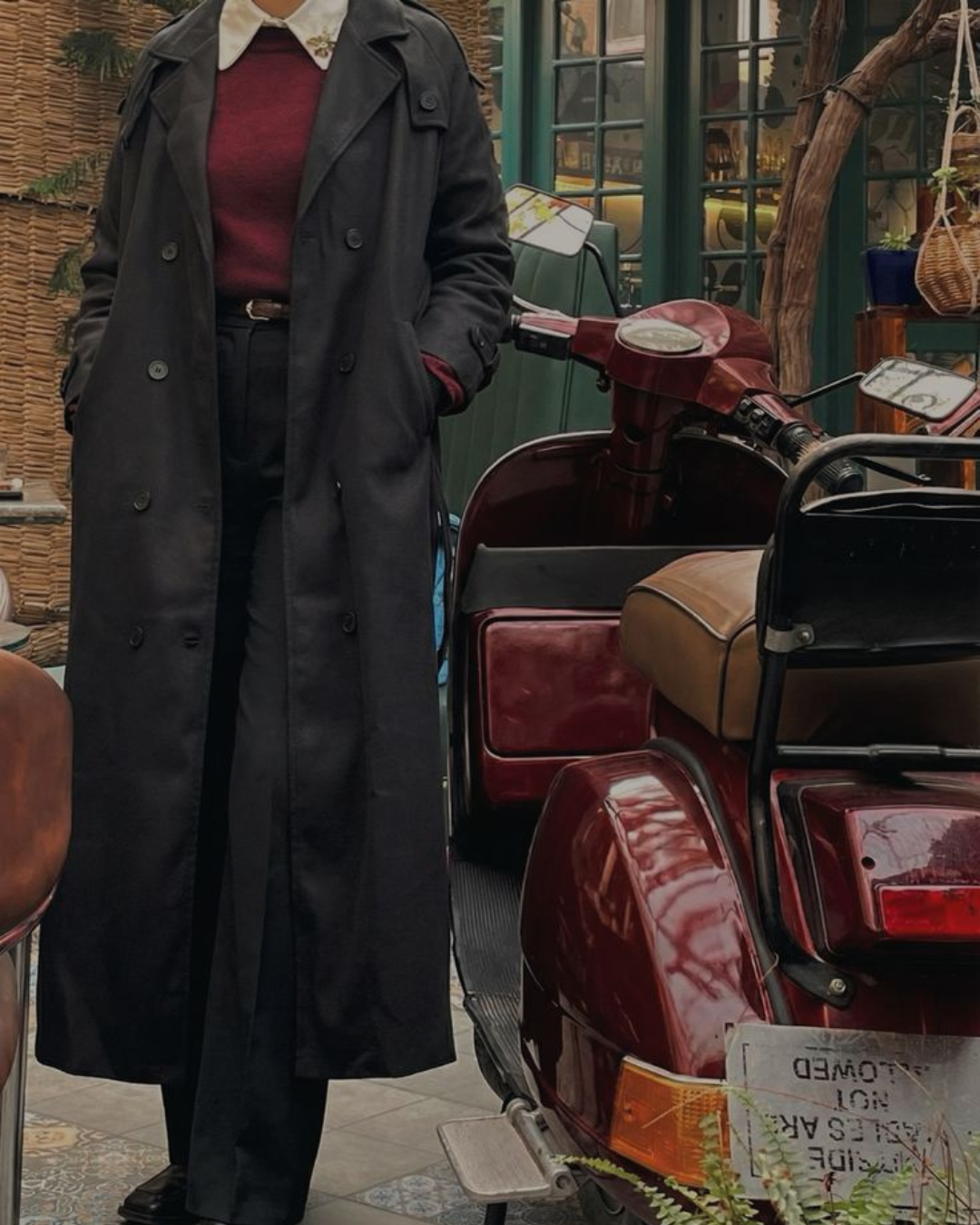
To master Dark Academia fashion is to master the art of texture, layering, and proportion. It is a rejection of fast fashion’s synthetic sheen in favor of materials that carry visual weight, history, and tactile interest. The silhouette is typically tailored but comfortable, structured yet lived-in.
1. The Outerwear: Structure and History
The coat is the absolute anchor of the Dark Academia silhouette. Without the right outerwear, the look often feels incomplete.


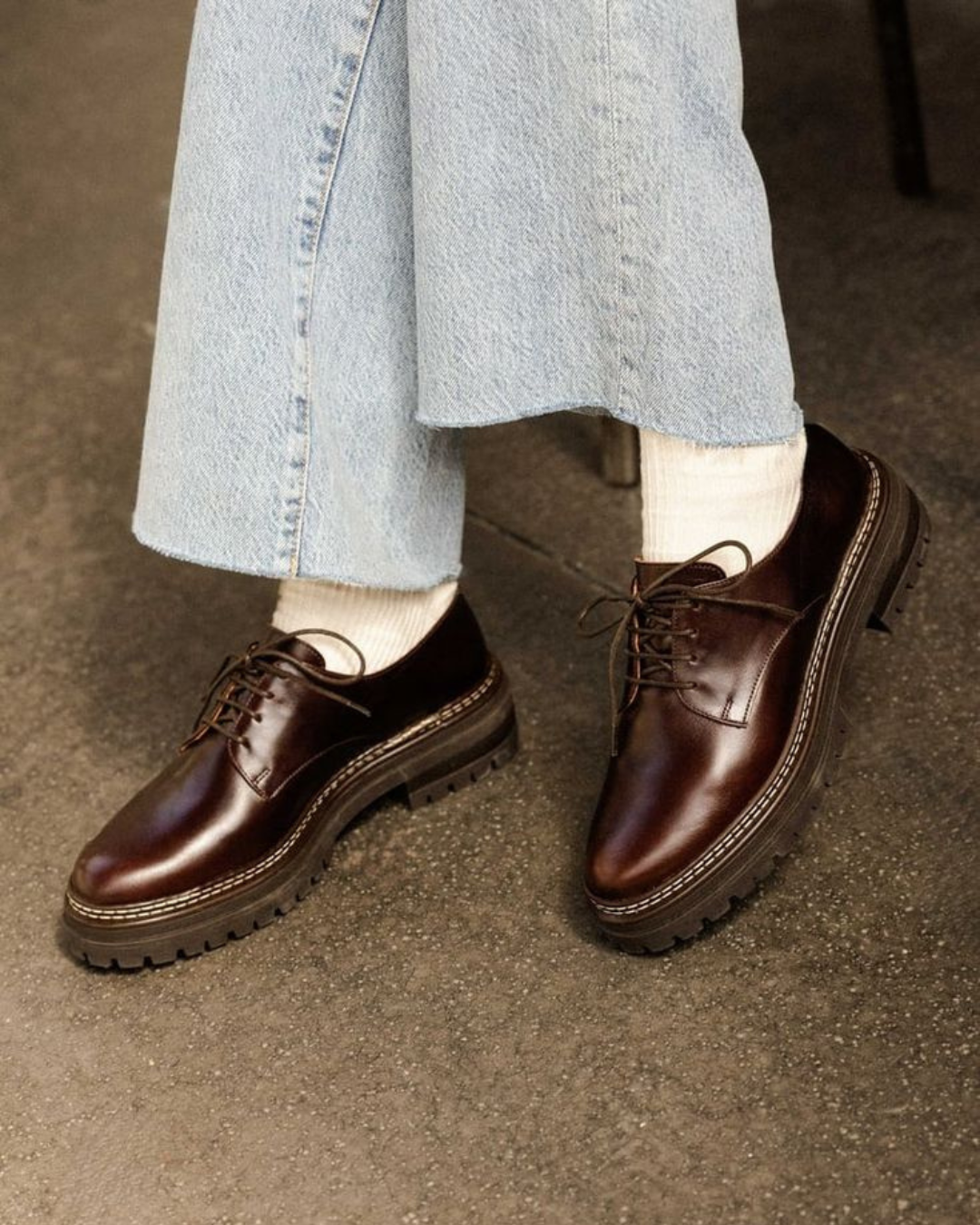
Dark Academia shoes are made for walking across cobblestone campuses (whether real or imagined).
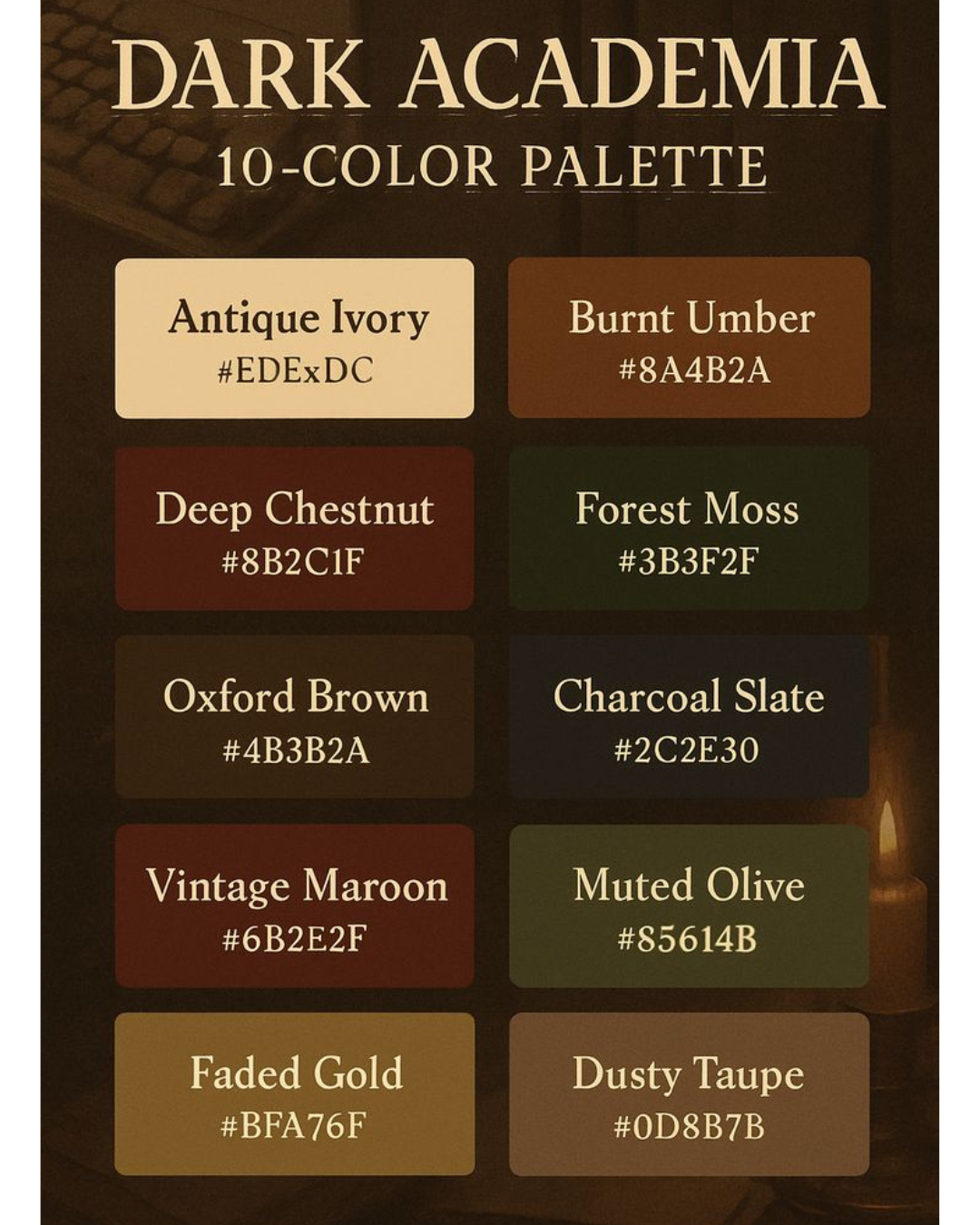
The color story is strictly restrained. It revolves around neutrals and earth tones:
Fashion is never static, and subcultures must evolve to survive. As Gen Z adopted Dark Academia, they adapted it to fit their values. The original iteration of the aesthetic faced valid criticism for being Eurocentric, elitist, and lacking diversity. The modern evolution has actively worked to dismantle these barriers, creating a space that is far more welcoming.
Gen Z’s fierce commitment to sustainability aligns perfectly with Dark Academia. Because the look is vintage-inspired style, it inherently encourages thrifting and second-hand shopping. A genuine wool blazer from the 1980s found at a charity shop is infinitely more valuable and coveted than a polyester reproduction from a fast-fashion chain.
This focus on longevity and quality materials (wool, cotton, linen) positions Dark Academia as a counter-movement to disposable trends. It is arguably one of the most sustainable aesthetics because its core pieces.
The early days of the trend often veered into cosplay—wearing full three-piece suits to high school math classes. The modern iteration balances the theatrical with the practical. It’s about "Casual Academia." Instead of a full suit, one might wear a tweed blazer over a graphic tee and jeans. Instead of stiff dress shoes, one might choose comfortable boots. The vibe is "I study at the library," not "I live in the library." This practicality ensures the trend survives beyond the screen, integrating into daily life as a functional, stylish wardrobe.
So, how does one cultivate this look without feeling like they are wearing a costume? The key is curation and slow accumulation.
Do not overhaul your closet overnight. Begin with the foundational pieces of intellectual fashion trends.
The sophistication of Dark Academia comes from texture, not logos. Pair the roughness of tweed with the softness of silk or the smoothness of cotton. Combine a leather belt with corduroy pants. These contrasts create visual interest that feels expensive and curated.
Accessories should feel functional. A leather satchel or tote bag (for books, naturally), a simple gold watch, wire-rimmed glasses (even if they are blue-light blockers), and minimal jewelry. A silk scarf tied to a bag or around the neck adds a touch of European flair.
Will Dark Academia fade away? It is unlikely. Unlike micro-trends (like "Barbiecore" or "Clowncore"), Dark Academia is rooted in classic menswear and womenswear staples that have existed for a century. The trench coat, the loafer, and the blazer are immune to the trend cycle.
However, it will continue to evolve. We are already seeing "Light Academia" (paler colors, softer vibes) and "Chaotic Academia" (messier, more realistic student vibes) branch off. The core tenets—intellectualism, vintage appreciation, and moody romanticism—resonate deeply with a generation seeking stability and identity.
Ultimately, Dark Academia is more than a hashtag or a clothing trend; it is a narrative device. It allows you to become the protagonist of your own story—a story filled with mystery, learning, and elegance. It grants permission to care deeply about things: about books, about art, about the planet, and about how you present yourself to the world.
Whether you are a student, a creative, or simply someone who appreciates the quiet dignity of a well-tailored coat, this aesthetic offers a framework for sophisticated self-expression. It invites you to look at the past not just with nostalgia, but as a source of inspiration for the future.
You don’t need to scour vintage shops alone. BeSpoke AI Stylist can help you translate this mood into a personalized wardrobe. Whether you are looking for sustainable brands that specialize in wool, or need help pairing that thrifted blazer with modern accessories, our tools are designed to refine your vision.
Explore your style evolution today. Discover how to blend the romance of the past with the precision of the future. Download the app and let’s build your Dark Academia capsule together.