

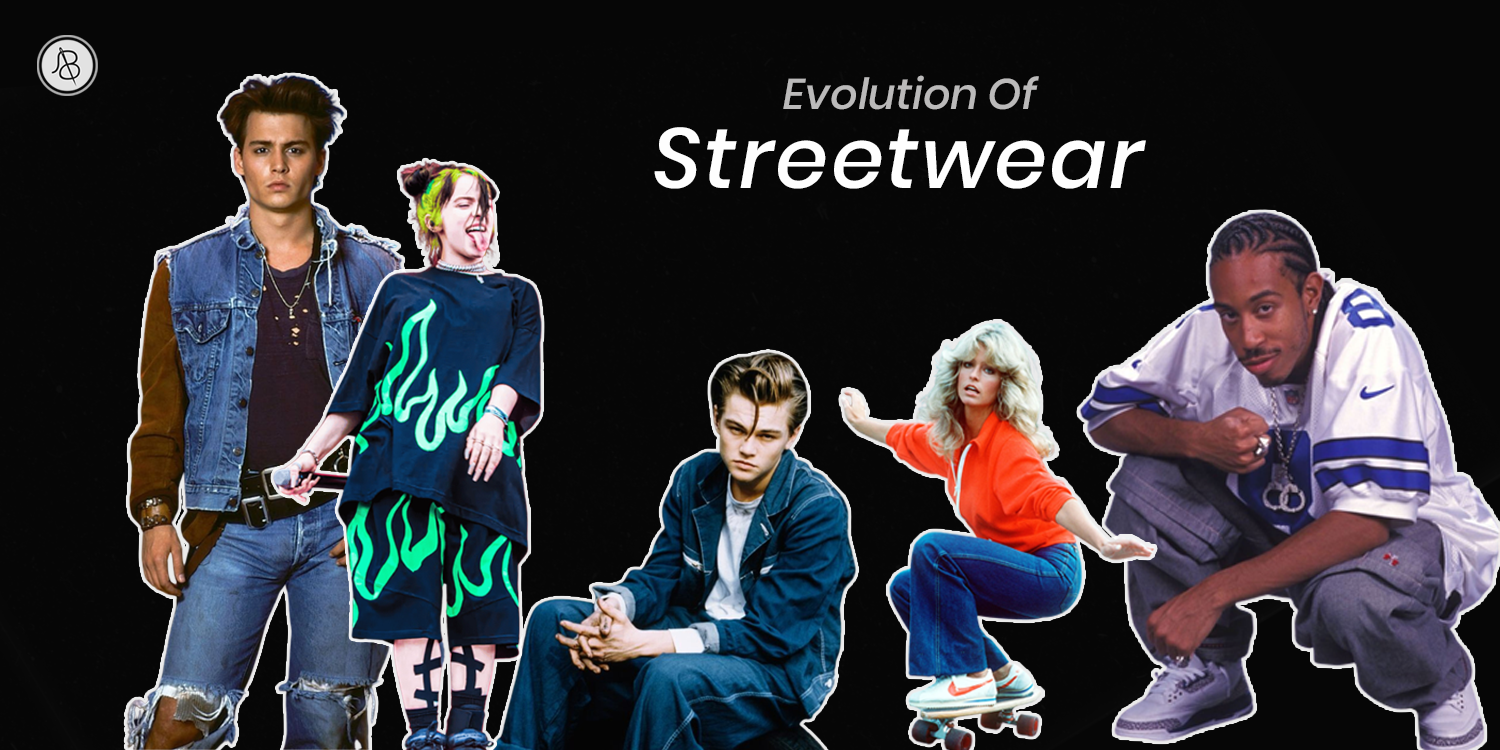
Streetwear is more than just a fashion trend it’s a cultural movement that has shaped the way we dress, express ourselves, and connect with the world. From its humble beginnings in the Bronx to its domination of global runways, streetwear reflects the evolution of urban fashion culture, growing into a universal aesthetic that blends rebellion, creativity, and identity.
In this blog, we’ll take a deep dive into the street style evolution, exploring how it became the cornerstone of modern wardrobes, influencing everything from OOTDs to curated capsule collections.
In the late seventies, the Bronx was the birthplace of a style revolution. Kids in hoodies, baggy jeans, and sneakers weren’t just dressing for comfort they were making a statement. Their wardrobes were filled with pieces that reflected their identity, even if society dismissed them as “street kids.” Rooted in hip hop fashion origins, this rebellion turned into a cultural blueprint.
Tracksuits, oversized fits, and sneakers became symbols of pride and defiance. These early pioneers didn’t just create a look they created a movement that would shape the future of fashion.
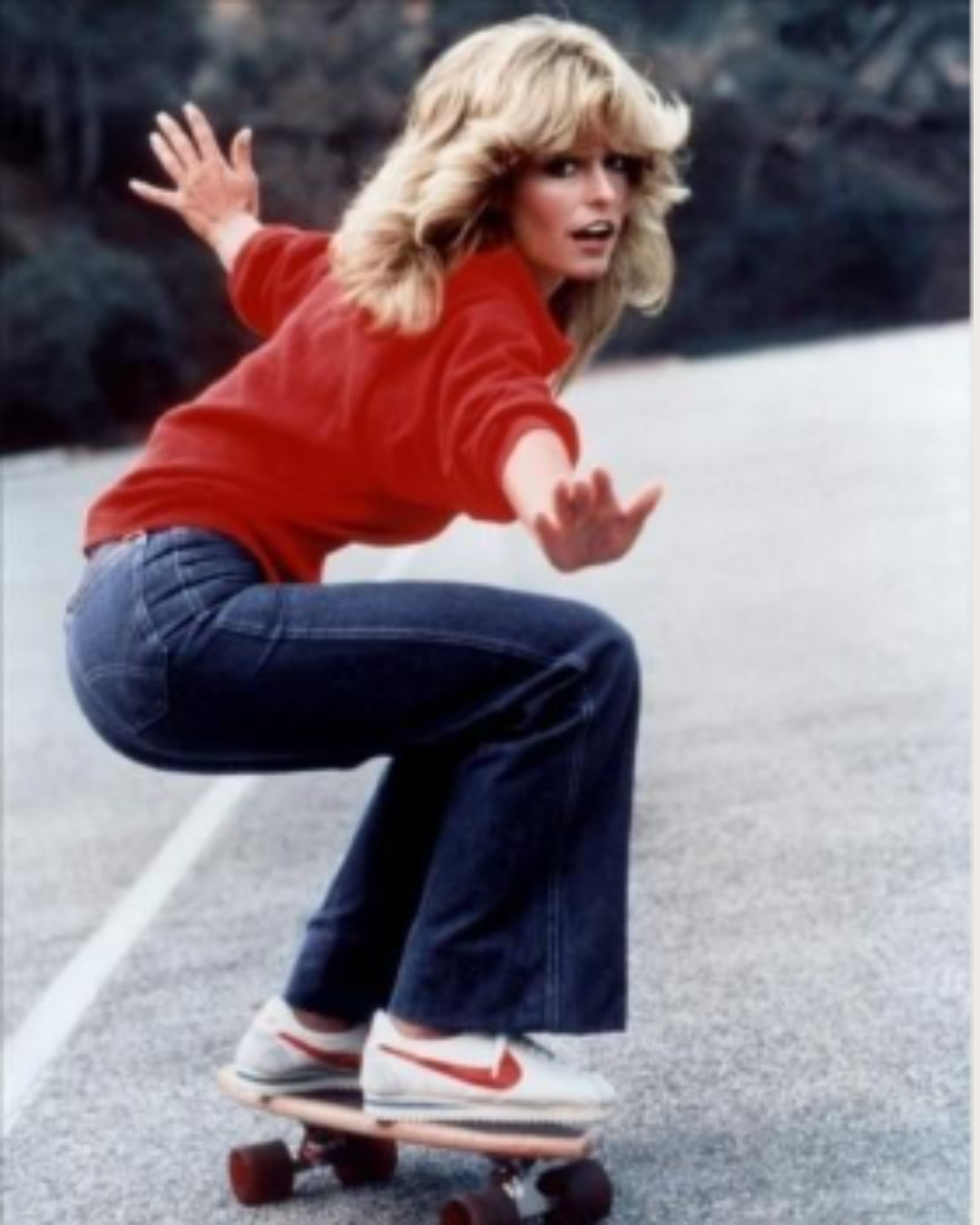
Farrah Fawcett unknowingly contributed to this narrative when she rocked Nike Cortez sneakers in Charlie’s Angels. Her look proved that sneakers weren’t just for sports-they were for style, setting the stage for streetwear’s rise.
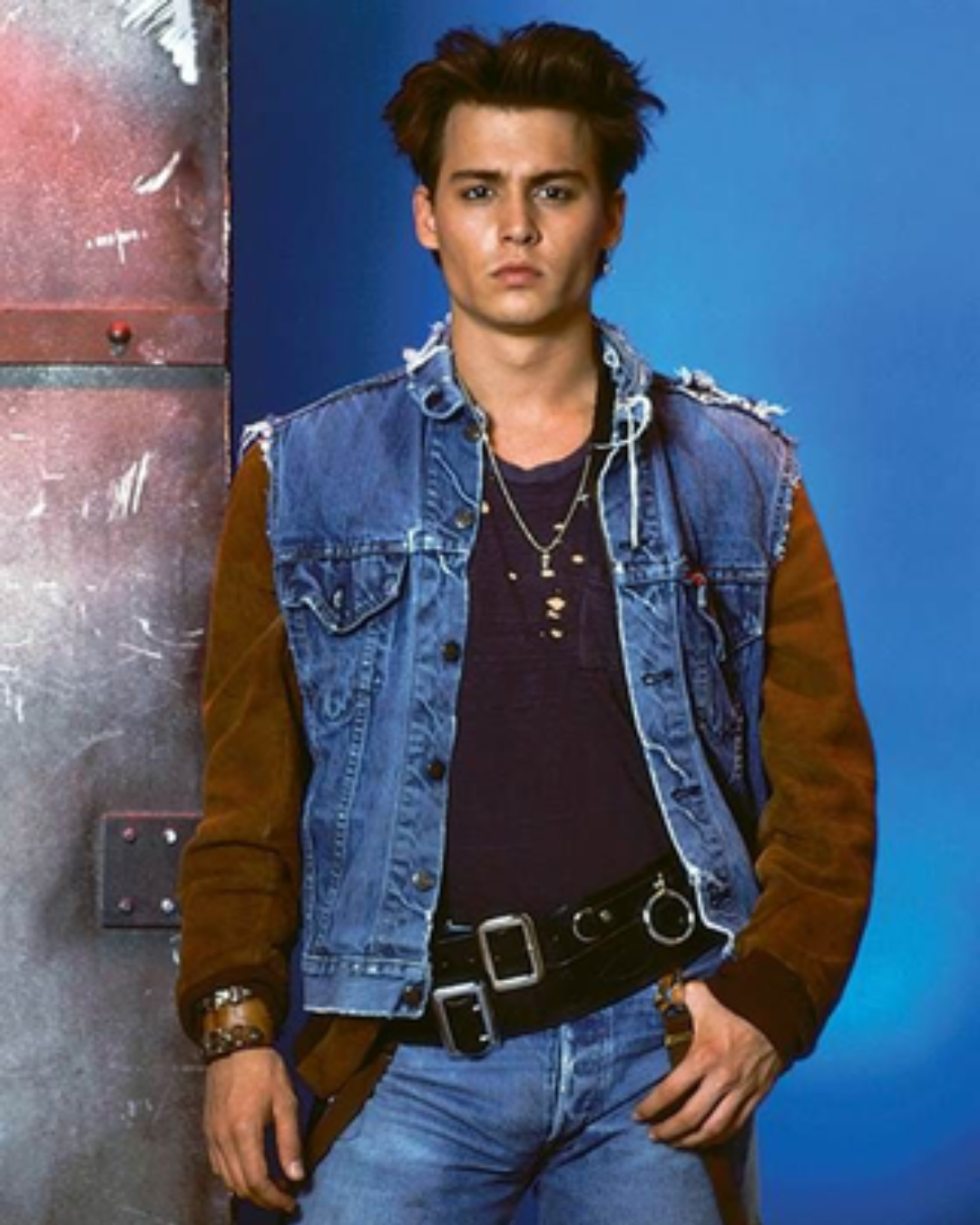
The eighties and nineties saw streetwear find a new home skate culture. Skaters didn’t just wear clothes they lived in them. Their closets were filled with oversized fits, graphic tees, and scuffed sneakers, all chosen for comfort and individuality, shaping a distinct skate fashion influence.
Skaters brought a DIY ethos to streetwear, customizing their looks with patches, paint, and personality. They weren’t following trends they were creating them. This era also saw the rise of capsules small, curated collections of versatile pieces that could be mixed and matched effortlessly.
Skate culture didn’t just influence streetwear-it became its heartbeat, inspiring today’s OOTDs and moodboards.
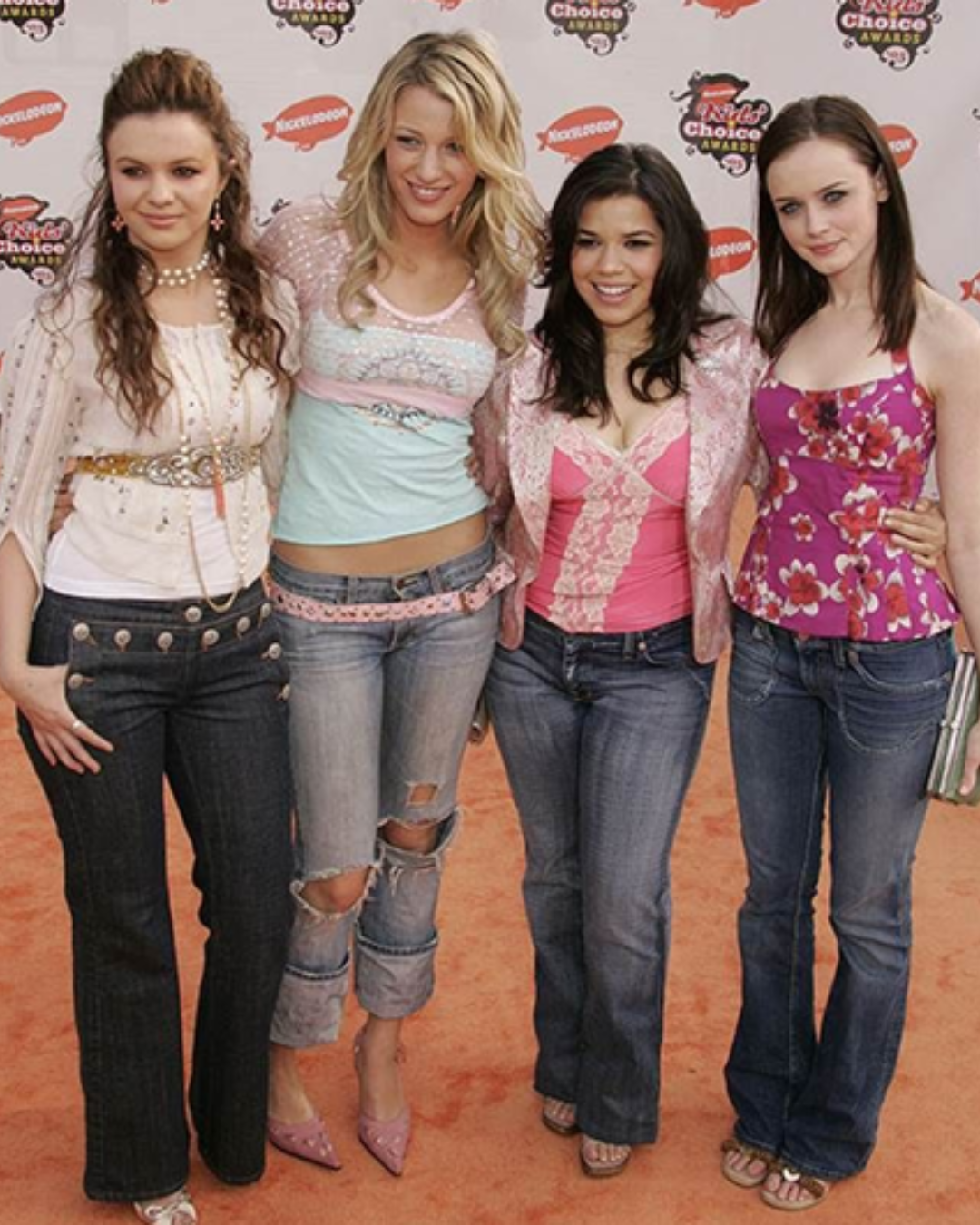
The 2000s marked a turning point for streetwear. It wasn’t just for the streets anymore-it was on the runways. Luxury brands like Louis Vuitton and Gucci embraced the aesthetic, and Supreme became the crown jewel of the decade.
Every drop was an event, every collaboration a cultural moment. Streetwear wasn’t just about clothes-it was about exclusivity, hype, and status. This era also saw the rise of AI Stylists and AI Designers, tools that helped fashion enthusiasts curate their own iconic looks.
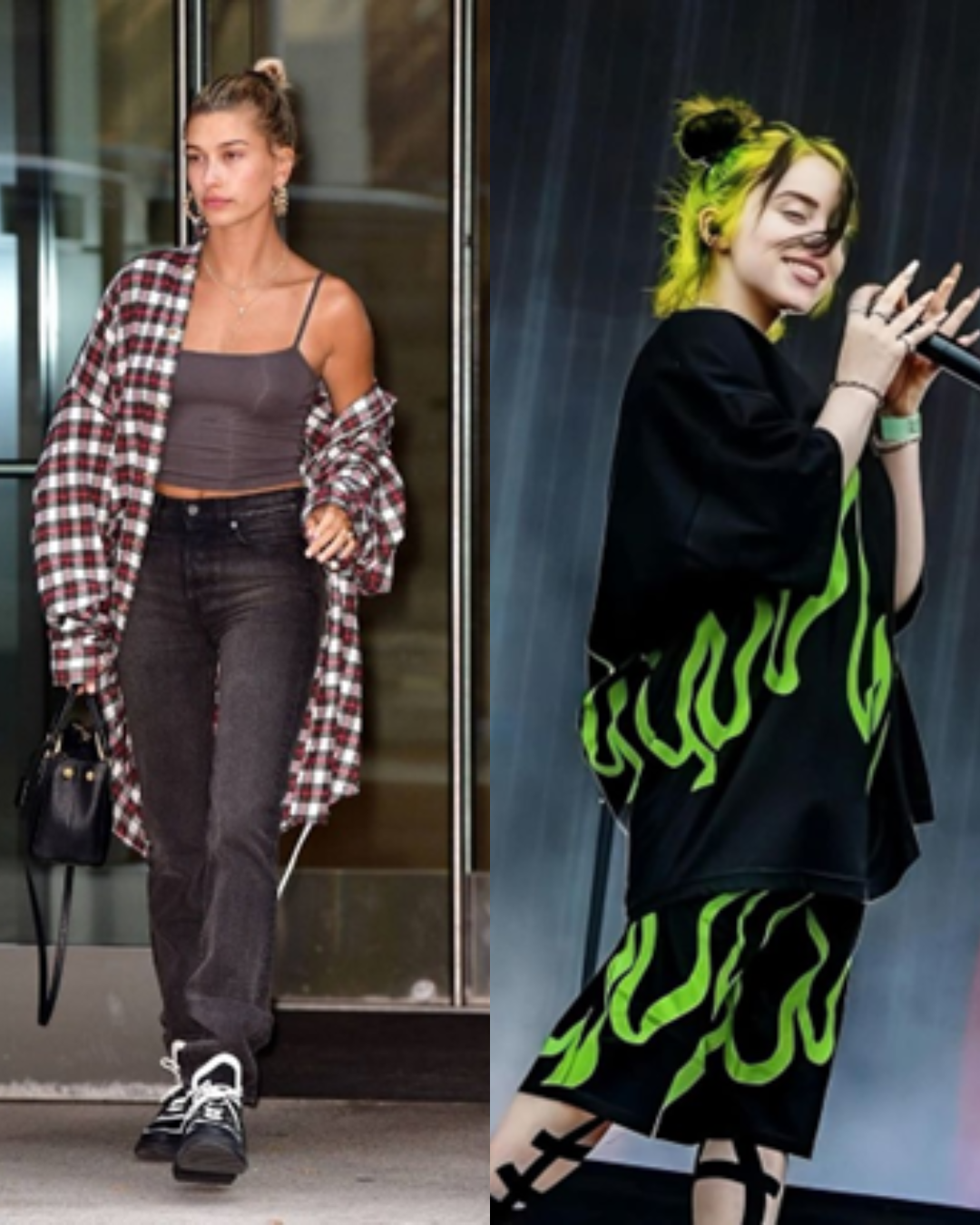
Today, streetwear is more than a trend-it’s a global phenomenon. From Tokyo’s Harajuku streets to Paris Fashion Week, streetwear has become a universal language of style.
It’s no longer about fitting in-it’s about standing out. Streetwear is a melting pot of cultures, influences, and identities, proving that fashion is at its best when it’s personal.
Streetwear has transcended its roots, but it’s never forgotten them.
From New York streets to global runways, streetwear is culture and identity. Vintage pieces are making a comeback, proving that the past still shapes how we express ourselves.
Thrifted hoodies, retro sneakers, and classic graphic tees are now staples in modern wardrobes, blending nostalgia with contemporary style. Whether you’re curating a capsule wardrobe or experimenting with virtual try-on tools, vintage streetwear offers endless possibilities for self-expression.
The evolution of streetwear isn’t just about style-it’s about innovation. With tools like AI Stylists, AI Shoppers, and virtual try-on, fashion lovers can now experiment with looks, plan OOTDs, and curate collections with ease.
Imagine using a moodboard to visualize your outfits, a canvas to mix and match pieces, and a dressing room to try on clothes virtually. Technology has made streetwear more accessible, personalized, and exciting than ever before.
Streetwear has always been more than clothes it’s attitude, identity, and culture stitched into every hoodie, sneaker, and oversized fit.
From hip hop rebels in the seventies to skaters rewriting the eighties and nineties, from Supreme’s crown jewel era to high end houses embracing the street aesthetic, streetwear reflects the cultural impact of fashion, constantly evolving while keeping its raw, rebellious soul.
And now, vintage streetwear is making a comeback, proving that the past still has the power to shape how we express ourselves today.
Ready to own your vibe?
Download the BeSpoke AI Stylist app and start curating your streetwear-inspired wardrobe today.
iOS: https://apps.apple.com/in/app/bespoke-ai-stylist/id6747891768
Android: https://play.google.com/store/apps/details?id=com.bespoke.aistylist&hl