
The Handloom Map of India: 28 States, 28 Iconic Indian Textiles
Published · Updated

India does not have one textile identity. It has twenty eight, one for every state, each shaped by its own soil, climate, craft lineage, and community memory. A saree from Varanasi does not look, feel, or behave like a saree from Kanchipuram, and a shawl from Kullu shares almost nothing with one from Nagaland except the loom it came off. This is the real story behind Indian fashion: not one tradition, but a federation of them.
This blog walks through all 28 states and the textile each one is best known for, region by region, so you can see the pattern that ties the map together. Some of these names will feel familiar because they have already crossed over into mainstream fashion, red carpets, and bridal wear. Others rarely leave their home state, and that is exactly what makes them worth documenting properly, in one place, before the names and techniques fade further from everyday conversation.
Why India's Textile Map Still Matters Today
Handloom is not a museum piece in India. It is a living, working economy that employs millions of weavers, dyers, and printers, many of them working from home on techniques passed down for generations. Understanding this map is useful whether you are a fashion student, a stylist, a shopper who wants to buy handloom instead of fast fashion, or simply someone proud of where a fabric comes from. Every textile on this list carries a geographical indication tag or a strong regional claim, meaning the craft is legally and culturally tied to its place of origin.
This also matters commercially. As more shoppers move toward sustainable, slow fashion choices, handloom textiles are becoming a genuine alternative to mass produced fabric, not just a heritage talking point. Knowing which state a textile belongs to helps buyers verify authenticity and avoid mass produced imitations sold under the same name.
North India's textile identity is built around warmth, embroidery, and one of the most recognized silks in the country. The colder climate across the hills and the strong royal and Mughal patronage in cities like Varanasi shaped a region that favors layered, heavily worked textiles over lightweight ones.
Haryana: Panja Durrie

The Panja Durrie is a flat woven cotton rug made using a hand held tool called a panja instead of a shuttle. It is sturdy, reversible, and traditionally used as floor seating across Haryana's villages.
Himachal Pradesh: Kullu Shawl

The Kullu shawl is instantly recognizable by its geometric borders in bright colors, woven on pit looms in the Kullu valley. It was originally designed for mountain warmth and is now a fashion statement across India.
Punjab: Phulkari

Phulkari, literally "flower work," is a floral embroidery technique done on the reverse side of the fabric using darn stitch. It was traditionally hand embroidered by mothers and grandmothers for a bride's trousseau.
Rajasthan: Bagru Hand Block Print

Bagru hand block printing uses natural dyes and hand carved wooden blocks in earthy indigo, red, and black tones. The technique gets its name from Bagru village near Jaipur, where the practice has continued for over 400 years.
Uttar Pradesh: Banarasi Silk

The Banarasi silk saree from Varanasi is arguably India's most famous textile export, known for its zari brocade, Mughal inspired motifs, and rich gold or silver thread work. A single high quality piece can take a skilled weaver several weeks to finish, which is part of why it remains a staple bridal choice across the country.
Uttarakhand: Ringal Weaving

Ringal weaving uses a hill bamboo species to create baskets, mats, and utility textiles. It is less about clothing and more about sustainable craft, tied closely to Uttarakhand's forest economy.
South India's textiles lean heavily into silk weaving traditions connected to temple towns and royal patronage. Many of these sarees were originally woven as offerings for temple deities before becoming everyday bridal and festive wear, which is why gold zari and mythological motifs show up so consistently across the region.
Andhra Pradesh: Kalamkari
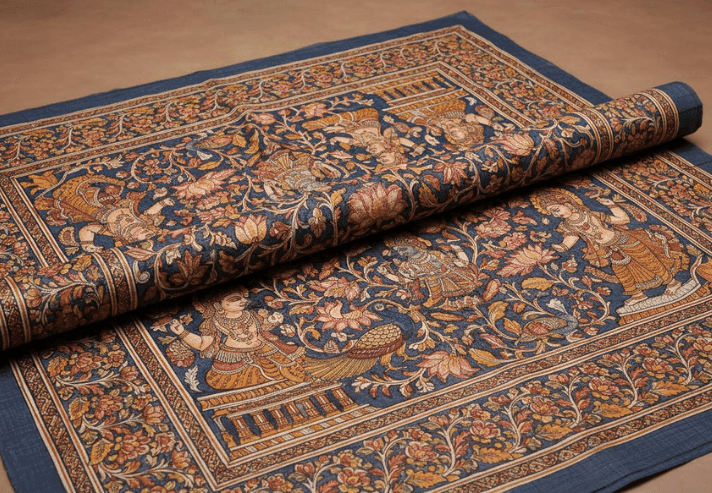
Kalamkari means "pen work," referring to the hand painted or block printed technique using natural dyes on cotton, often depicting mythological scenes and temple stories.
Karnataka: Mysore Silk
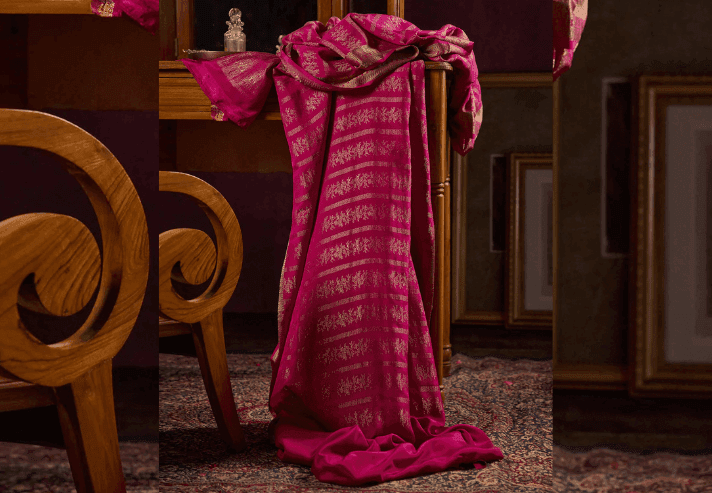
Mysore silk is known for its lightweight texture and pure zari, produced under a state supported silk industry that dates back to the reign of Tipu Sultan.
Kerala: Kasavu Saree
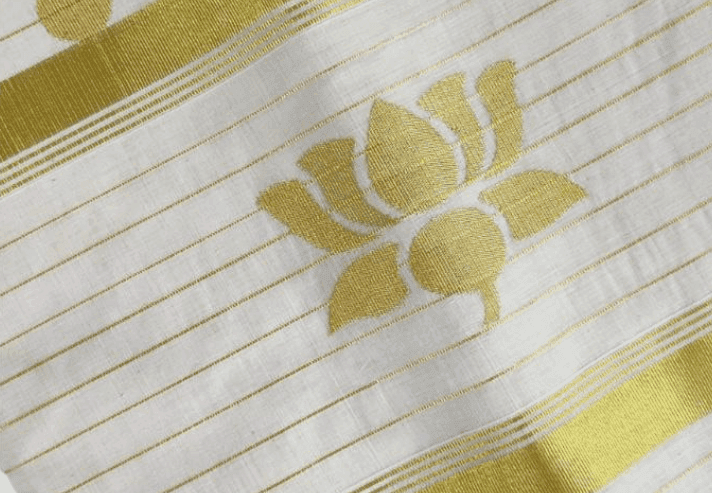
The Kasavu saree is Kerala's signature off white and gold bordered cotton saree, worn during Onam and other festivals, symbolizing simplicity and tradition.
Tamil Nadu: Kanchipuram Silk
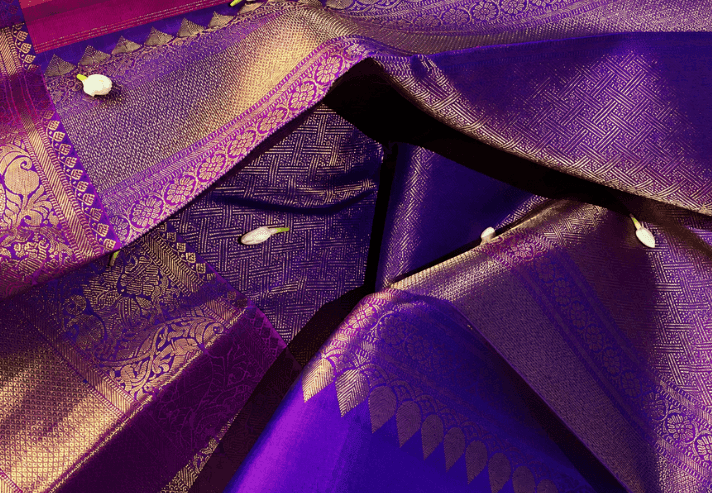
Kanchipuram silk, woven in the temple town of Kanchipuram, is prized for its heavy silk body, contrasting borders, and durability, often passed down as an heirloom. The weft and border are traditionally woven separately and then joined with an interlocking technique strong enough to survive generations of wear.
Telangana: Pochampally Ikat
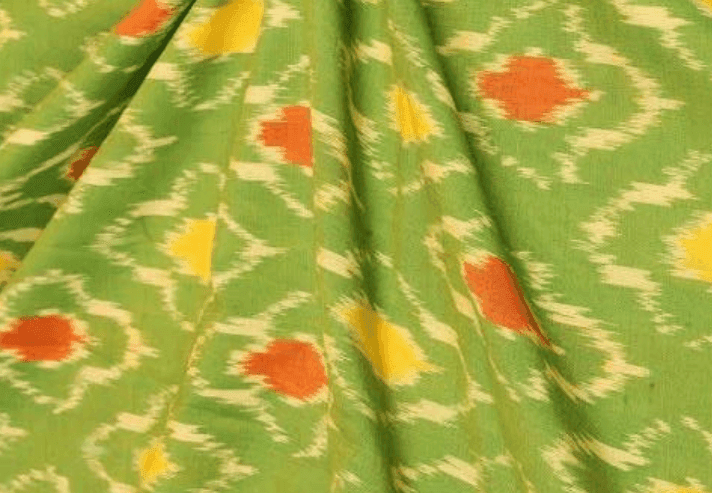
Pochampally Ikat uses a resist dyeing technique where yarns are dyed before weaving to create geometric patterns, giving the fabric its signature blurred, diamond-like designs.
West India's textile story is shaped by trade routes, coastal communities, and some of the most technically demanding weaves in the country, including one saree that can take years to finish.
Goa: Kunbi Saree
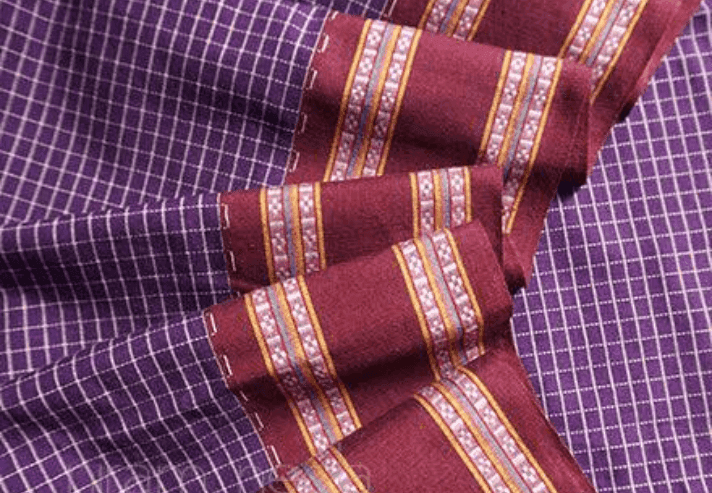
The Kunbi saree is a simple, checkered cotton weave traditionally worn by Goa's Kunbi tribal community, tied in a distinctive knee length style suited for fieldwork.
Gujarat: Patola
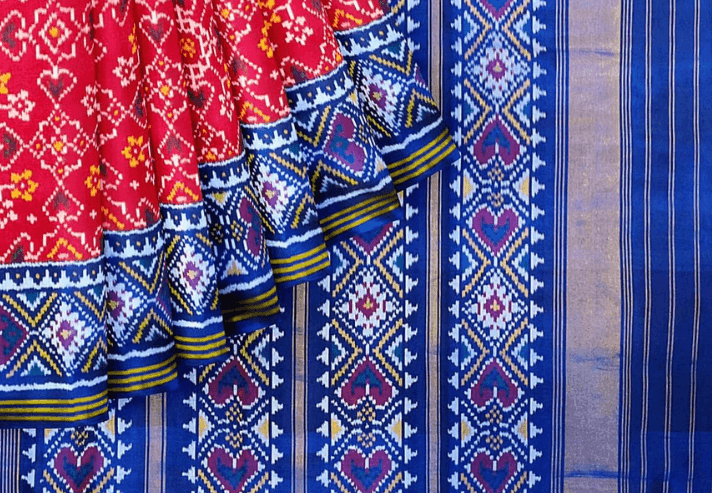
Patola is a double ikat silk weave from Patan, so labor intensive that a single saree can take months to years to complete, with patterns identical on both sides of the fabric. Only a handful of families still practice authentic Patola weaving today, which keeps the craft rare and expensive.
Maharashtra: Paithani
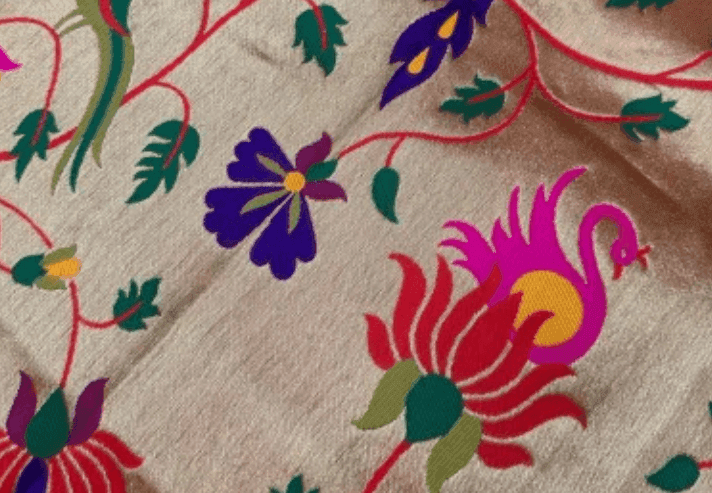
Paithani, from the town of Paithan, is known for its peacock motifs and gold zari pallu, historically woven for Maratha royalty.
East India, especially the Bihar to West Bengal stretch, forms one of the country's densest silk producing belts, feeding both wild and cultivated silk into looms that have operated for centuries.
Bihar: Bhagalpuri Silk
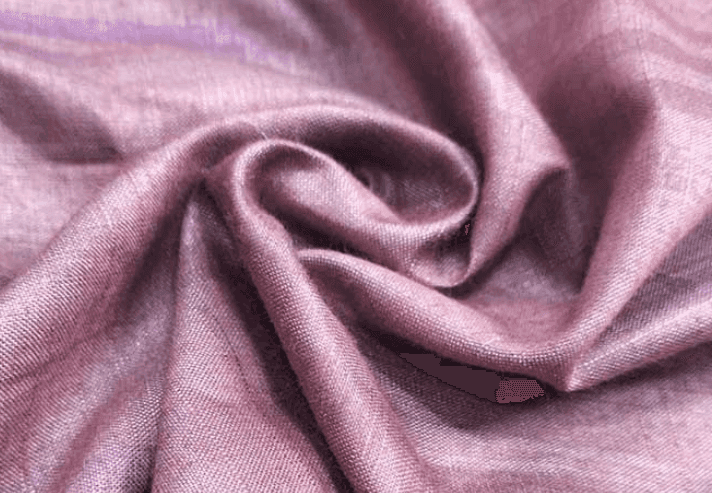
Bhagalpuri silk, also called Tussar silk from Bhagalpur, has a natural texture and rich sheen, earning the town its nickname as the "Silk City of India."
Jharkhand: Tussar Silk
Jharkhand's Tussar silk comes from wild silkworms feeding on Sal and Arjun trees, giving the fabric an earthy, unbleached golden tone.
Odisha: Sambalpuri Ikat
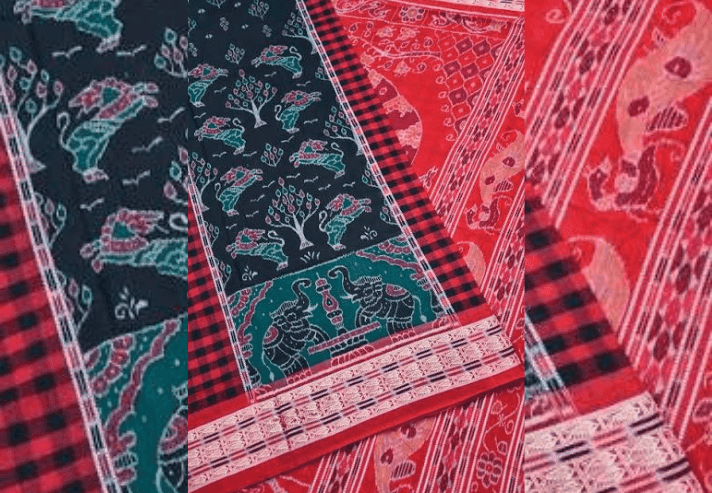
Sambalpuri Ikat uses a pre dyeing technique similar to Pochampally but with distinct motifs like the shankha, chakra, and phula, often woven into sarees with symbolic meaning.
West Bengal: Baluchari
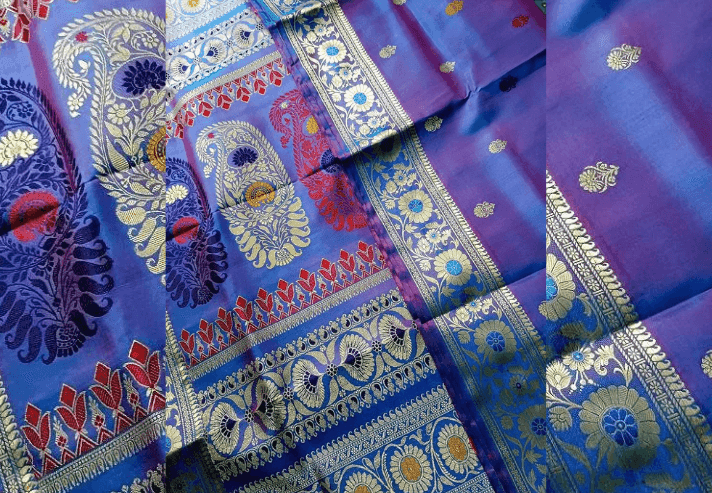
Baluchari sarees, from Bishnupur, feature woven pallus depicting mythological scenes and courtly life, using a technique that dates back to the Mughal era.
Central India's two standout textiles both come from the same broader Tussar silk family, yet they could not feel more different on the skin, one sheer and airy, the other raw and textured.
Madhya Pradesh: Chanderi
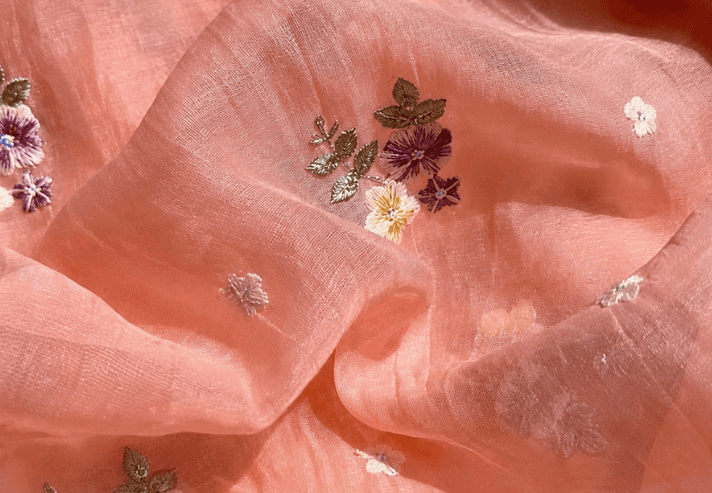
Chanderi fabric blends silk and cotton for a sheer, lightweight texture with fine zari borders, historically favored for its ability to keep wearers cool.
Chhattisgarh: Kosa Silk
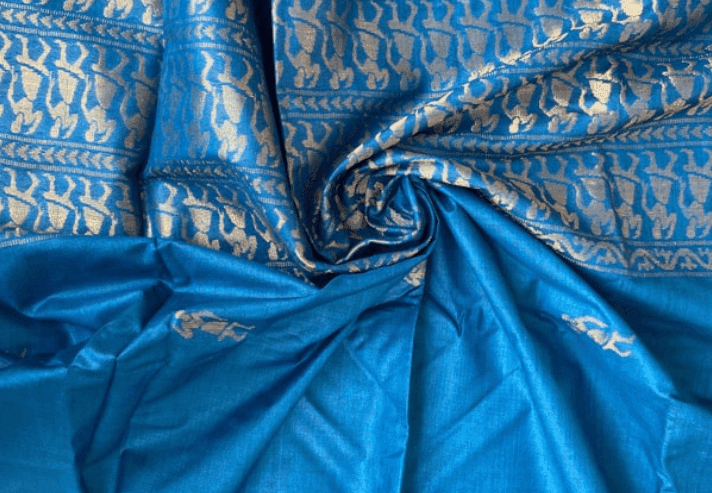
Kosa silk, a form of Tussar silk unique to Chhattisgarh, has a coarse, textured feel and a natural golden brown color that is left largely undyed to preserve its raw character.
The Northeast is home to some of India's most distinct and least commercially documented weaves, each tied closely to tribal identity. Weaving here is often a domestic skill passed from mother to daughter rather than a commercial industry, which means many of these textiles rarely reach markets outside their own state, let alone national retail shelves.
Arunachal Pradesh: Gale
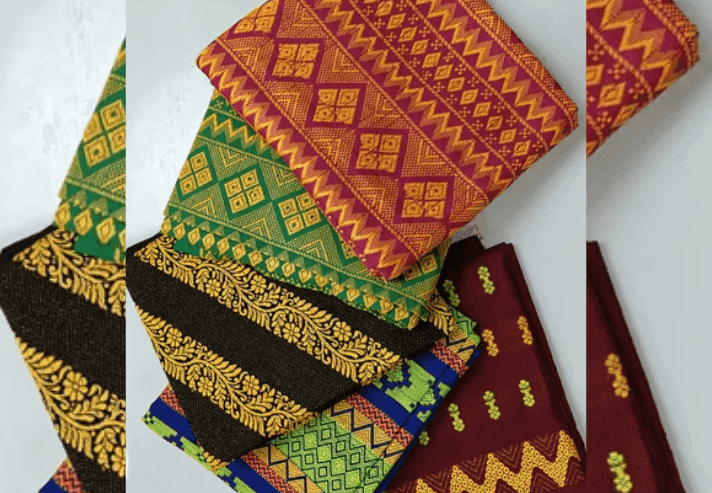
Gale is a traditional handwoven textile made by tribal communities in Arunachal Pradesh, typically woven on backstrap looms using vibrant, community specific patterns.
Assam: Muga Silk
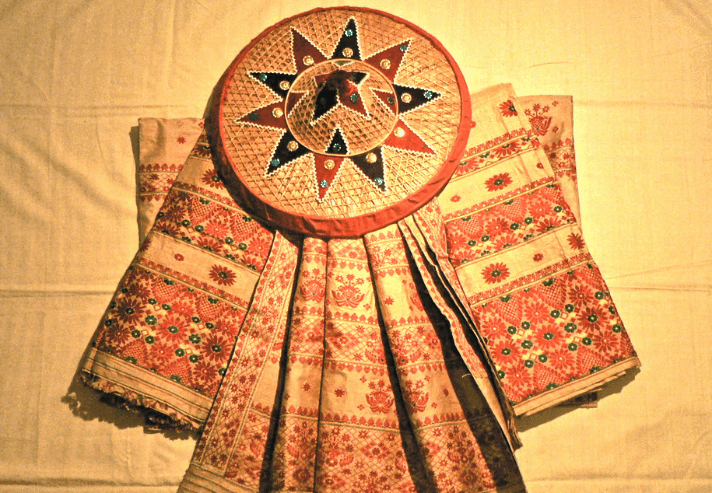
Muga silk is a golden, naturally lustrous silk found only in Assam, and it is one of the few silks in the world that actually gets shinier with every wash.
Manipur: Moirang Phee
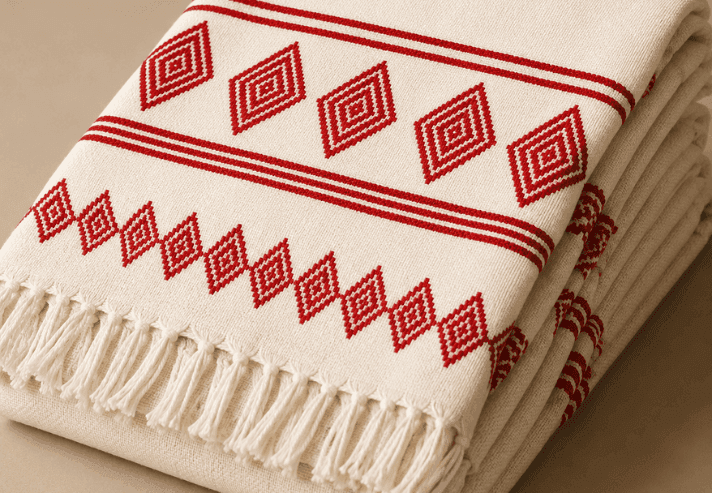
Moirang Phee is a striped, handwoven cotton and silk fabric traditionally worn by Meitei men and women, named after the Moirang region of Manipur.
Meghalaya: Eri Silk
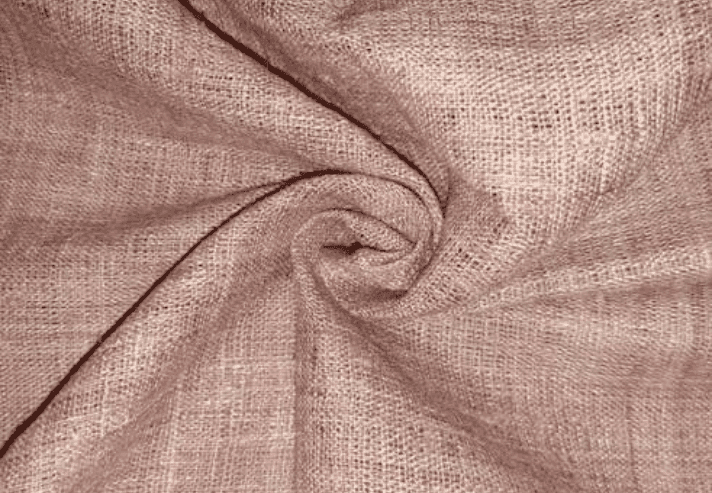
Eri silk, sometimes called "peace silk," is produced without killing the silkworm, making it one of the more sustainable silk traditions in the country.
Mizoram: Puan
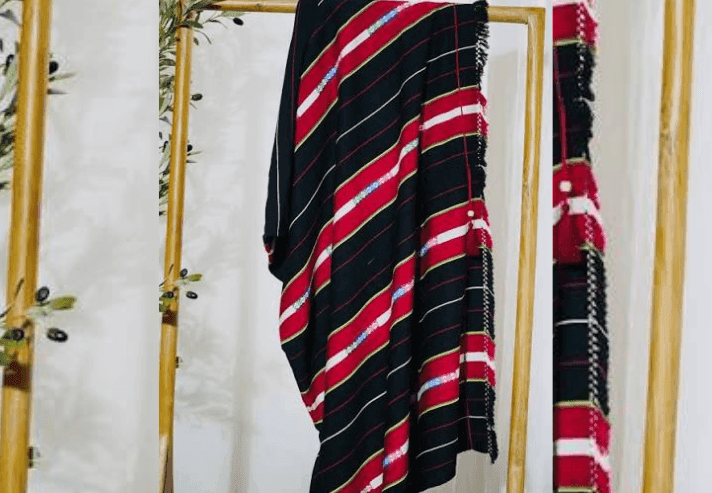
The Puan is Mizoram's traditional wraparound garment, woven with bold horizontal bands and geometric patterns unique to different Mizo clans.
Nagaland: Naga Shawl
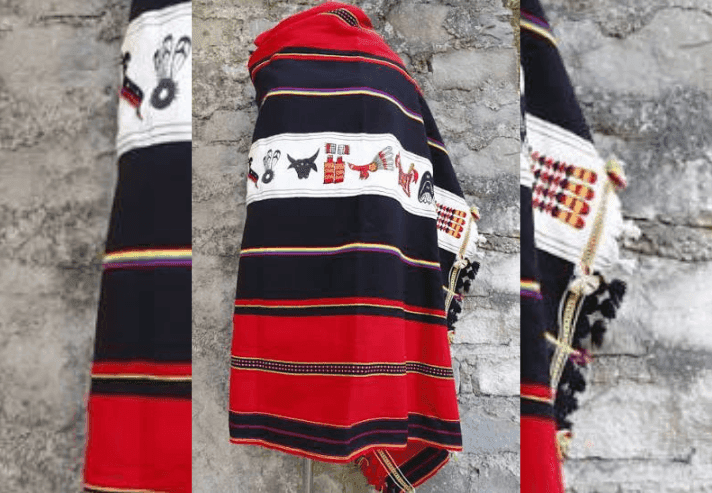
The Naga shawl varies by tribe, with each community using specific colors and motifs that historically signaled social status, warrior achievements, or clan identity.
Sikkim: Lepcha Weaving
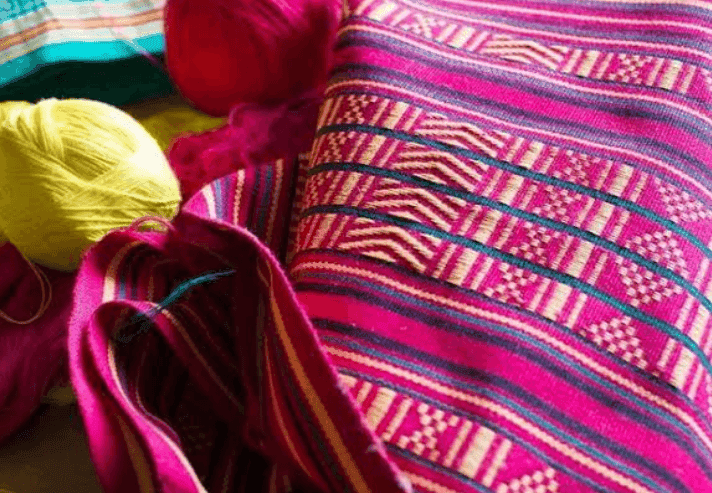
Lepcha weaving produces textiles with distinct striped patterns, traditionally made by the Lepcha community using back strap looms and natural fibers.
Tripura: Risa
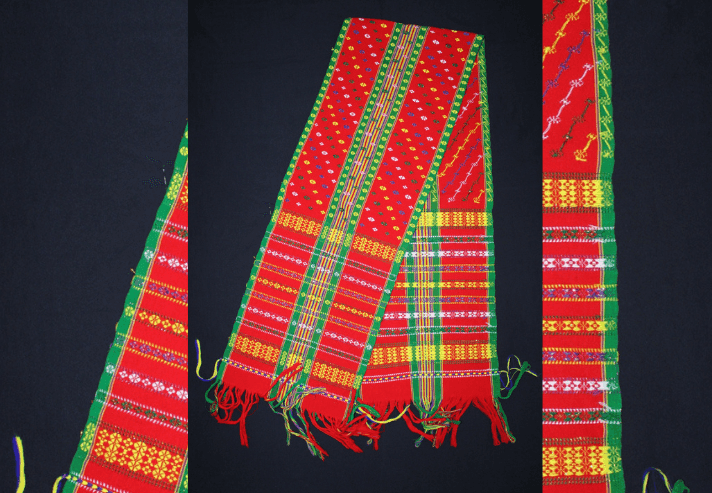
The Risa is a handwoven wrap used by Tripuri women, often given as a mark of respect or hospitality, woven with tribal motifs specific to Tripura's indigenous groups.
Looking at this map, a few patterns repeat. Silk dominates the south, east, and parts of the northeast. Block printing and embroidery define the north. Ikat and resist dyeing connect Gujarat, Odisha, and Telangana despite being hundreds of kilometers apart. And the northeast, often left out of mainstream fashion conversations, holds some of the most intricate handloom traditions in the country.
For anyone working in fashion, styling, or content, knowing this map is not trivia. It is the foundation of understanding why Indian fashion looks the way it does, and it gives real cultural weight to sourcing, styling, and storytelling decisions. A stylist who can name the origin of a fabric, explain the technique behind it, and credit the weaving community correctly is doing something most fast fashion marketing never bothers to attempt.
Which state is famous for Banarasi silk? Uttar Pradesh, specifically the city of Varanasi, is home to the Banarasi silk saree.
What is the difference between Ikat and block printing? Ikat is a resist dyeing method applied to yarn before weaving, while block printing applies dye directly onto finished fabric using carved wooden blocks.
Is Muga silk only found in Assam? Yes, Muga silk is geographically unique to Assam and carries a GI tag protecting its origin.
What makes Eri silk different from other silks? Eri silk is harvested without killing the silkworm, which is why it is often called peace silk.
Why do some states have more than one iconic textile? Many states have several strong textile traditions, but this list highlights the single most recognized textile per state for the purpose of this guide, so the map stays easy to follow.
Are these textiles protected by law? Several of them, including Banarasi silk, Muga silk, Kanchipuram silk, and Pochampally Ikat, hold official Geographical Indication status, which legally restricts the name to products made in that specific region using traditional methods and helps protect original weavers from imitation goods.
Twenty eight states, twenty eight textiles, and one enormous, living tradition that fashion brands, stylists, and shoppers are only beginning to fully appreciate. Each of these crafts survives because a specific community somewhere still chooses to weave it by hand, season after season, often for wages that do not reflect the skill involved. The next time you pick up a saree, a shawl, or a length of handwoven fabric, there is a real chance it is carrying centuries of a specific region's history in its threads, and a living weaver's hours behind it.
How many of these textiles did you already know? Add the ones you already own to your Digital Closet on BeSpoke AI Stylist, and let Stylist show you fresh ways to wear them.
Ready to upgrade your style game? Download BeSpoke AI Stylist and let your AI stylist take it from here.

Author
Neeraj Bansal