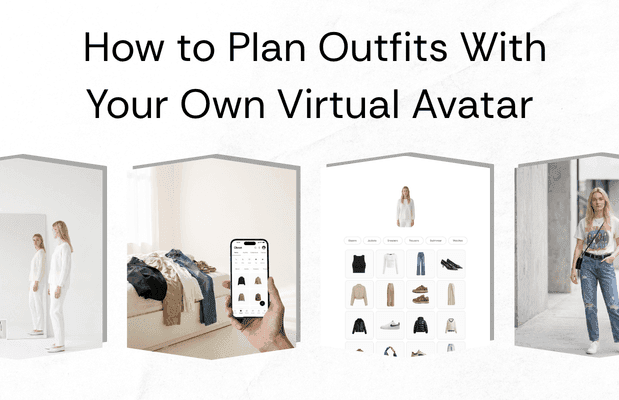
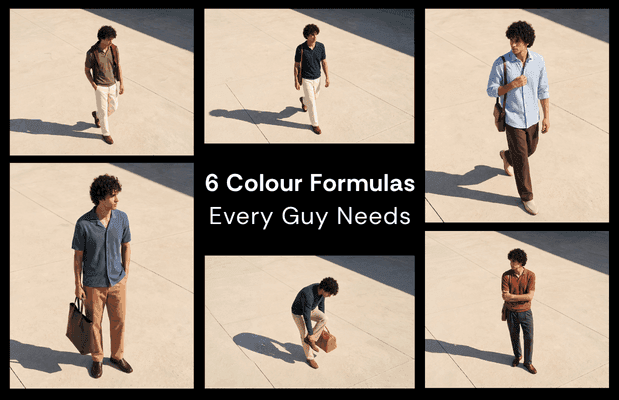
OUR BLOGS
All Blogs

How to Style White Shirts and Ethnic Wear for Men: Easy Outfit Ideas for Every Occasion
White has a timeless place in men’s fashion because it delivers exactly what most wardrobes need: versatility, simplicity, and polish. Trends may change from season to season, but white continues to remain relevant because it works across casual wear, smart dressing, holiday outfits, and festive clothing without feeling outdated. A well-styled white outfit creates a clean visual impression. It looks fresh in the daytime, sharp in the evening, and elegant during traditional occasions. Unlike louder shades or trend-heavy pieces, white does not depend on heavy styling to stand out. It naturally looks refined when the fit, fabric, and footwear are right. For men who want outfits that feel effortless without appearing underdressed, white is one of the easiest choices to rely on. A white shirt can be worn to brunch, a meeting, a dinner, or a semi-formal gathering. A white T-shirt can become the base of multiple everyday outfits. A white kurta can instantly make festive dressing feel elevated yet easy. Another reason white works so well is that it pairs seamlessly with almost every wardrobe essential. It complements denim, chinos, linen trousers, tailored pants, sandals, sneakers, loafers, and traditional footwear. This flexibility makes it one of the most wearable shades for men who want more styling options without overcomplicating their wardrobe. White creates a clean and polished look White gives an outfit an instantly sharper appearance. Even the simplest combination can look well considered when built around a clean white base. That makes white ideal for men who prefer minimal dressing with maximum impact. White works across casual, smart, and festive dressing Very few colours shift as smoothly between everyday western wear and ethnic wear. White shirts, white tees, and white kurtas all belong to different style categories, yet the colour connects them beautifully. White is perfect for warm-weather styling In summer and tropical climates, white feels seasonally right. It looks airy, light, and comfortable, especially in breathable fabrics like cotton and linen. For men building warm-weather wardrobes, white is practical as well as stylish. White lets fit, fabric, and styling stand out Because white is visually clean, the details of an outfit become more noticeable. The drape of a linen shirt, the sharpness of a cotton shirt, and the structure of tailored trousers all become more visible in a white outfit.
Read More
How to Build a Capsule Wardrobe You'll Actually Wear
Most people don't have a wardrobe problem. They have a clarity problem. The average person owns 77 items of clothing but wears only 20% of them regularly. That means 80% of your wardrobe is just taking up space, collecting guilt, and making every morning harder than it needs to be. A capsule wardrobe fixes this. Not by making you wear less, but by helping you wear smarter. This guide will walk you through exactly how to build a capsule wardrobe you'll actually use every single day. No minimalist manifesto. No pressure to throw everything out. Just a practical, personal system that works for your life.
Read More
Lakme Fashion Week × FDCI 2026: Everything You Need to Know from Day 4
Lakme Fashion Week × FDCI 2026 concluded with a Day 4 lineup that brought together playfulness, experimentation, and modern reinterpretation. If the earlier days explored structure, memory, and identity, Day 4 focused on freedom of expression and the evolving rhythm of contemporary life. At BeSpoke AI Stylist, India’s AI-powered personal styling platform, this is where fashion becomes highly dynamic. Because when fashion moves toward instinct, play, and adaptability, it creates powerful signals for AI personal styling, virtual try-on experiences, and smart wardrobe systems. Here is our complete breakdown of Day 4.
Read More
Lakme Fashion Week 2026: A Structural Recap
The global fashion landscape operates as a complex system of shifting variables. Every season introduces new data points in the form of silhouettes, materials, and color palettes. Lakme Fashion Week 2026 served as a critical platform for observing these shifts. Rather than presenting chaotic or purely experimental concepts, this year marked a distinct pivot toward logic, function, and technological integration. For the modern professional, analyzing runway presentations requires a methodical approach. The objective is to extract the underlying structural principles and apply them to a functional daily wardrobe. When we view fashion as a system of solvable equations, the runway becomes a valuable source of data. This article provides a comprehensive recap of Lakme Fashion Week 2026. We will examine the key highlights, notable appearances, standout designs, and major news announcements. Finally, we will outline a logical framework for integrating these concepts into your own digital wardrobe system.
Read More
Lakme Fashion Week × FDCI 2026: Everything You Need to Know from Day 3
Lakme Fashion Week × FDCI 2026 moved into Day 3 with a noticeable shift in energy. If Day 2 was introspective and rooted in memory, Day 3 brought expression, individuality, and emotional storytelling to the forefront. This was a day where structure met fluidity, and fashion became a medium for personal narratives rather than just cultural ones. At BeSpoke AI Stylist, India’s AI-powered personal styling platform, this is where fashion becomes highly actionable. Because when designers express identity this clearly, it creates powerful signals for AI personal styling, virtual try-on intelligence, and smart wardrobe building. Here is our full breakdown of Day 3.
Read More
AI vs Human Stylist: A Logical Analysis of Wardrobe Management
Managing a professional wardrobe requires a structured methodology. For decades, individuals seeking to elevate their personal style relied exclusively on human professionals. This traditional approach provided aesthetic guidance but often introduced significant logistical friction. The integration of artificial intelligence into fashion tech introduces a highly efficient alternative. Digital platforms replace subjective guesswork with algorithmic precision. This analysis compares the functional mechanics of artificial intelligence stylists and human stylists. We will examine the benefits and limitations of each approach. We will also explore how AI solutions provide data-driven, highly personalized wardrobe management. By understanding these structural differences, professionals can optimize their daily routines and reduce decision fatigue.
Read More
Lakme Fashion Week × FDCI 2026: Everything You Need to Know from Day 2
Lakme Fashion Week × FDCI 2026 continued in Mumbai with a Day 2 lineup that expanded the conversation from structure into something deeper: memory, material, and meaning. Where Day 1 was restrained and architectural, Day 2 was layered, emotional, and rooted in cultural intelligence. At BeSpoke AI Stylist, India’s AI-powered personal styling platform, we were watching closely. Because the collections that matter are not just visually compelling. They are the ones that encode identity, craft, and context into something wearable. Here is our full breakdown of every collection that showed on Day 2 and how each one translates into real wardrobe intelligence.
Read More
The Structural Advantages of AI Styling Apps
Managing a professional wardrobe requires significant cognitive energy and constant logistical oversight. When you view your closet as a mere collection of garments, the daily process of selecting an outfit becomes a source of friction. The alternative is applying systems thinking to your personal style. Artificial intelligence offers a practical framework for this transformation. AI styling applications operate as cognitive tools designed to organize chaotic physical assets into a functional digital database. They replace subjective guesswork with algorithmic precision. By utilizing machine learning to categorize clothing and process lifestyle parameters, these platforms streamline the daily routine of modern professionals. This article examines the structural benefits of integrating artificial intelligence into your wardrobe management process. We will explore how these systems reduce decision fatigue, maximize the utility of your existing clothing, and provide highly personalized styling recommendations. By understanding these advantages, you can implement a more efficient approach to your daily presentation.
Read More
Lakme Fashion Week × FDCI 2026: Everything You Need to Know from Day 1
Lakme Fashion Week × FDCI 2026 opened in Mumbai with one of the most considered and quietly powerful Day 1 lineups in recent memory. Eight designers took the runway, and not one of them was interested in noise. What unfolded instead was a season defined by depth, craft, and ideas that go far beyond trend cycles. At BeSpoke AI Stylist, India's AI-powered personal styling platform, we were watching closely. Because the collections that matter most are not the ones that make headlines for a week. They are the ones that quietly reshape how you think about getting dressed. Here is our full breakdown of every collection that showed on Day 1 and how each one translates into real wardrobe intelligence.
Read More
How Personal AI Stylists Work: The Logic of Digital Wardrobes
Managing a functional wardrobe requires significant time and cognitive energy. For professionals seeking efficiency, the daily process of selecting appropriate clothing often becomes a source of unnecessary friction. Personal AI stylists offer a structured solution to this problem. They replace the subjective guesswork of fashion with a highly organized, data driven system. These digital tools analyze your physical garments, process your lifestyle requirements, and generate logical outfit configurations. They operate as a bridge between technology and personal style. By utilizing algorithmic pattern recognition, an AI stylist transforms a collection of individual garments into a cohesive, functional wardrobe. This article examines the underlying technology that powers personal AI stylists. We will explore how these systems digitize your closet, process environmental variables, and deliver precise outfit recommendations. Understanding these mechanics provides a clear framework for optimizing your own approach to daily dressing.
Read More
Outfits That Make You Look Put Together Instantly
There are days when you want to look good without thinking. We’re talking zero Pinterest spirals. No trying on ten different outfits only to end up in sweatpants. No standing in front of the mirror asking the universe, “Why does nothing work on me?” We have all been there. The closet is full, yet the inspiration is empty. But here is the secret that the most stylish people know: Looking put together is not about dressing up. It’s not about wearing a gown to the grocery store or a three-piece suit to a coffee run. It’s about wearing outfits that feel intentional, even when they took exactly five minutes to put on. It is about the subtle art of looking like you tried, without actually trying too hard. This blog breaks down the specific outfit formulas that consistently work. It doesn't matter your style, your body type, or your mood. These are the universal truths of looking polished. If you master these principles, you will never have a "nothing to wear" meltdown again.
Read More
Fashion Is Shifting. Quietly. Powerfully.
Something is happening in the atmosphere of the fashion world right now. Can you feel it? It isn’t hitting you in the face. It isn’t screaming from a billboard in Times Square. It isn’t flooding your TikTok feed with neon colors or chaotic micro-trends that burn out in three days. It is quiet. For the last decade, fashion has been defined by noise. We lived through the era of logomania, where your chest had to announce your bank account balance. We survived the "clout era," where clothes were designed solely for how they would render on a smartphone screen. We navigated the chaos of "core" culture Barbiecore, Gorpcore, Cottagecore jumping from one costume to the next in a desperate attempt to stay relevant. But the pendulum is swinging back. And it is swinging hard. We are entering an era of quiet power. No screaming trends. No aesthetic overload. No chaos. Just calculated, intentional moves that signal long-term thinking and a return to depth. If you have been feeling like the vibe has shifted lately, you are not imagining it. The industry is pivoting from performative chaos to precise control. This isn’t about "Quiet Luxury" or boring beige sweaters. It is deeper than that. It is about brands and creators choosing meaning over metrics. It is about longevity over virality. To understand where we are going, we have to look at the signals. They are subtle, but they are telling us everything we need to know. Let’s decode the five pivotal moments that explain this new era of fashion.
Read More
Common Styling Mistakes That Ruin Good Outfits
We have all been there. You stand in front of a mirror, fully dressed in items you know are objectively "good." The jeans are expensive. The top is trending on TikTok. The shoes are fresh out of the box. And yet, when you look at the reflection staring back at you, something feels… off. The outfit doesn't sing. It doesn't flow. It feels disjointed, clumsy, or just plain underwhelming. You start to question your taste. You wonder if you need to buy more clothes. You spiral into a "nothing to wear" panic, despite standing in front of a closet that is bursting at the seams. Here is the hard truth: You don’t need more clothes. You likely don’t even need "better" clothes. The problem isn’t the merchandise; it’s the method. Most style problems do not come from what you buy. They come from how you put things together. Styling is a skill, separate from shopping. You can be an excellent shopper and a terrible stylist. The good news? Styling is learned. It is a series of small, intentional decisions that turn a pile of fabric into a cohesive look. In this deep dive, we are going to dismantle the most common styling mistakes that quietly ruin good outfits. These are the subtle errors that make expensive clothes look cheap and great pieces look awkward. By identifying them and learning how to fix them you can transform your wardrobe without spending a single dollar.
Read More
Brad Pitt: Then, Now, Always – A Timeline of Confidence, Charisma, and Evolving Style
In the high-stakes ecosystem of Hollywood, longevity is the ultimate currency. Trends burn hot and fade fast. The "It Boy" of the moment is often replaced before the next awards season cycle begins. Yet, there are rare anomalies figures who not only survive the shifting tides of culture but actively shape them. Brad Pitt is, undeniably, the archetype of this endurance. For over three decades, he has maintained a cultural relevance that feels almost impossible. But to look at Brad Pitt simply as a movie star is to miss a crucial part of the narrative. We need to look at him as a visual storyteller. Across decades of red carpets, film festivals, paparazzi shots, and global press tours, his style evolution has mirrored something far deeper than just changing fashion trends. It has served as a real-time documentation of a man growing into himself. His wardrobe is an autobiography written in denim, linen, and bespoke tailoring. It mirrors confidence, maturity, and a growing ease with self-expression that resonates deeply with today’s fashion enthusiasts. From the raw, unpolished energy of his early Hollywood beginnings to the understated, textural authority of his present day, Brad Pitt’s style journey offers a masterclass in how personal style deepens rather than disappears with time. This is not just about clothes; it is about the psychology of charisma.
Read More
Your Closet Is a Personality Test (And You’re Failing It Gently)
We like to pretend clothing is superficial. Something we throw on between morning coffee and the first email of the day. Something “fun,” but not serious. A hobby, a distraction, a simple necessity. We tell ourselves it’s just fabric, just trends, just stuff. But the truth is far less casual, far more revealing. Your closet is one of the most accurate personality assessments you will ever take. Unlike Myers-Briggs quizzes or job interviews where you can shape the narrative, your wardrobe never lies. It is a silent, brutally honest historian. Your closet records your habits, your insecurities, your aspirations, and your comfort zones with unflinching accuracy. Every purchase you’ve ever made, every hanger left untouched for years, every single outfit you default to on a busy Tuesday tells a story about who you are. It’s a physical database of your decisions, your moods, and your unspoken desires. And for most of us, this ongoing test isn’t being failed with a loud, dramatic explosion of bad taste. It’s much quieter than that. Most people are failing it gently, politely, and almost imperceptibly, day after day. They are passing, but just barely, living in a state of stylistic neutrality that never quite feels like them. This gentle failure isn't about committing fashion faux pas or wearing outdated styles. It’s a subtle but persistent disconnect between the person you are on the inside and the person you present to the world. It’s the feeling of being slightly out of sync, of wearing a costume that looks good enough but feels hollow. Your closet, in its quiet, organized chaos, is trying to tell you something important about yourself. The question is, are you ready to listen? Are you prepared to translate the language of unworn fabrics and default choices to understand what they truly reveal about your inner world? This isn't just about clothes; it's about closing the gap between who you are and who you show up as.
Read More
The 2026 Golden Globes A Red Carpet Of Quiet Confidence
The red carpet has long been a theater of spectacle. For decades, it was a stage for high drama, a place where fashion was a competitive sport, and a single outrageous look could dominate headlines for days. We came to expect jaw-dropping silhouettes, viral-worthy stunts, and outfits designed for maximum noise. But the 2026 Golden Globes told a different story. The air felt different. The energy was less about performance and more about presence. It was quieter, more intentional, and surprisingly personal. This year, the red carpet wasn’t a battlefield of shock value. Instead, it was a landscape of quiet confidence. Celebrities seemed to have collectively decided to trade in their costumes for clothes that felt like an extension of themselves. Instead of dressing for the flashbulb frenzy, they leaned into looks that reflected a deep sense of self-assurance, comfort, and authenticity. From the soft glow of old Hollywood glamour to sharp, stripped-back silhouettes, the night revealed a profound shift in how style is being approached in the public eye. These weren’t outfits designed to scream for attention. They were personal statements, worn with an ease that spoke volumes. It was a red carpet that felt less about the performance of being a celebrity and more about the art of being oneself.
Read More
A New Way to Shop, Built Around Your Style
Let's be honest: online shopping is broken. It was supposed to be a world of infinite choice, a digital paradise where the perfect item was just a click away. Instead, it has become a noisy, chaotic, and often overwhelming digital mall. We scroll through endless feeds of algorithmically-pushed trends, navigate a dozen open tabs to compare prices, and end up with carts full of impulse buys that don't quite feel like us. The result? Wardrobe fatigue, decision paralysis, and a pile of return packages that has become an unfortunate ritual. Style today is fluid, personal, and eclectic. It’s not about pledging allegiance to a single brand or a rigid aesthetic. It’s a dynamic mix a dance between high-end luxury and everyday comfort, between a show-stopping statement piece and that perfectly worn-in t-shirt. Real wardrobes are built from global fashion houses, niche indie discoveries, vintage finds, and reliable basics. Yet, the way we shop online rarely reflects this beautiful, messy reality. It’s fragmented, trend-driven, and designed for consumption, not curation. What if there was a different way? What if shopping could feel less like a chore and more like a conversation with your most trusted stylist? This is the core idea behind the Shop feature inside BeSpoke AI Stylist. It’s not just another marketplace. It’s a completely reimagined shopping experience designed to reflect the truth of modern style. With a curated ecosystem of brands and a deep understanding of you, it’s a space where shopping stops being a random activity and becomes an intentional extension of your personal style. It’s where you discover what you need, not just what’s new.
Read More
Friday Fashion News Wrap: From Valentino’s Legacy to Dior’s Darkest Bags
The world of fashion doesn't just move; it pirouettes, pivots, and occasionally, it stops to take a collective breath. This week was one of those moments. We witnessed the end of an era with the passing of a true titan, saw seismic shifts in corporate leadership at powerhouse groups, and watched as new campaigns and collections dared to redefine the narratives of iconic brands. It was a week of farewells, new beginnings, and deliciously dark fantasy. From the enduring legacy of a signature red to bags that read like gothic novels, the industry gave us a lot to process. It showed us that fashion is a constant interplay between history and the future, between quiet elegance and unapologetic drama. So, before you clock out for the weekend, let's unpack the biggest stories that shaped the style conversation. Here is everything you need to know, without the noise.
Read More
Discover: Where Style Stops Being Solo
There is a persistent myth in the world of fashion that style is a solitary act. We tend to picture the "stylish individual" as a lone genius, standing in front of a mirror in a vacuum, pulling inspiration from the ether to assemble an outfit that is entirely, uniquely theirs. We treat personal style as a fortress something you build to separate yourself from the crowd, to mark your territory as distinct, original, and untouched. But anyone who truly loves clothes knows this is a lie. Style does not exist in a vacuum. It is a conversation. It is a web of borrowed references, quiet observations, and shared languages. It is seeing a stranger on the subway and thinking, “I never thought to layer that color with that texture,” and then filing it away for later. It is the communal nod of recognition when you see someone else wearing the same obscure sneaker brand. It is the way we unconsciously mirror the people we admire and the tribes we want to belong to. For too long, digital fashion platforms have ignored this reality. They have built feeds designed for performance, not connection. They have prioritized the "influencer" model where one person broadcasts and everyone else consumes over the community model, where style is a fluid exchange. This is where Discover lives inside BeSpoke AI Stylist. It is a radical reimagining of how we interact with fashion online. It is not a stage for performance; it is a living room for connection. It strips away the metrics of vanity and replaces them with the metrics of resonance. It posits that the best part of getting dressed isn’t standing out—it’s finding the people who understand exactly why you chose those socks.
Read More
Getting Your Wardrobe Miranda Priestly Approved
The year is 2006. A heel strikes the pavement of New York City, and the cinematic world holds its breath. Miranda Priestly has arrived. Fast forward nearly two decades, and the editor-in-chief of Runway magazine is back in the cultural conversation. The Devil Wears Prada is experiencing a renaissance, capturing the imagination of a new generation on TikTok and Instagram. But why? Is it the sharp wit? The terrifying stares? The drama of the magazine industry? Perhaps. But if we look closer, the enduring obsession isn't really about Miranda the villain. It is about Miranda the icon. Specifically, it is about her clothes. In an era defined by "core" aesthetics that change weekly cottagecore, mob wife aesthetic, ecletic grandpa Miranda Priestly stands as a monolith of consistency. Her wardrobe is the ultimate benchmark for power dressing. But unlike the power dressing of the 80s, which relied on shoulder pads wide enough to clear a doorway, Miranda’s power comes from something far more dangerous: absolute intention. Getting your wardrobe "Miranda Priestly Approved" isn't about buying a specific brand or spending a year's salary on a coat. It is about adopting a philosophy. It is about understanding that clothing is language, and if you aren't speaking clearly, you might as well be silent. This deep dive explores how a fictional character became a very real style muse for the modern, intentional dresser. We will decode the sunglasses, the coats, and the color theory to understand how you can build a wardrobe that doesn't just look good, but commands respect.
Read More
The 7 Piece Wardrobe Formula: How Seven Clothing Items Can Create 25 Outfits
Most people don’t struggle with fashion because they lack clothes. If you opened your right now, you would probably find hangers pressed tightly together, drawers tha barely close, and piles of "maybe" items stacked on a chair. We are living in an era of accumulation. We buy for the fantasy life we wish we had the galas, the vacations, the specific version of ourselves that exists only on Instagram while neglecting the actual life we live every Tuesday at 9 AM. The struggle isn't scarcity; it's chaos. It’s the paradox of choice. When you have too many options that don't speak the same language, getting dressed becomes a daily negotiation. You stand there, coffee in hand, running late, cycling through five different outfits only to end up wearing the same jeans and t-shirt you wore three days ago. It feels defeating. It feels like a failure of imagination. But what if the solution wasn’t more shopping? What if the answer wasn't a bigger walk-in closet or a new haul from the latest sale? What if the secret to effortless style was actually… less? This is the premise of the 7 Piece Wardrobe Formula. It is a radical simplification of how we approach dressing. It posits that with just seven versatile, intentional clothing items, you can create up to 25 different outfit combinations that work across days, moods, and occasions. This isn't about deprivation. It’s about curation. It’s about building a system where every piece works harder than you do.
Read More
Cinema as Style School: The Films That Shaped Modern Fashion Taste
Personal style isn’t found in a single shopping spree or built overnight. It’s formed over time by what you see, admire, and internalize by training your eye to read beyond the label and interpret the subtext of how clothes are worn. Shopping, after all, is where style goes public, but the groundwork of good taste is laid long before the dressing room. Here’s a truth: the more intentional your visual references, the richer your personal style becomes. Movies and series are a runway of inspiration. Their wardrobes are crafted with care and precision, never accidental. Each look you see confident, bold, understated, or rebellious is a crafted message. When you step back and really watch (not just what, but why), these films and shows become a secret playbook. They teach you about composition, silhouette, mood, and intention ingredients for the kind of style that lingers in memory and shapes your next outfit. Let’s explore standout titles that do more than look fashionable. Each offers a lesson that translates from the screen into real life, giving you tools to elevate your wardrobe and mindset.
Read More
The Week Fashion Chose Strategy Over Noise
There is a distinct rhythm to the industry. Usually, it beats to the drum of viral moments the loud crashes of controversial runway stunts, the frantic tempo of drop culture, and the high-pitched frequency of social media trends that burn bright and fade within hours. For the better part of the last decade, the industry has been obsessed with noise. Visibility was the only metric that seemed to matter. If you weren’t trending, you weren’t existing. But every so often, the rhythm changes. The tempo slows, the volume drops, and the melody becomes deliberate, calculated, and precise. This week was one of those moments. Across the global landscape from the couture ateliers of Paris to the bustling retail avenues of India, from the heritage stadiums of England to the beauty counters of New York fashion stopped shouting and started thinking. The headlines weren’t about who wore what to a scandalous after-party or which brand broke the internet with a meme. Instead, the focus shifted to the boardroom, the strategy deck, and the long game. We saw significant leadership resets, the establishment of new aesthetic foundations, and partnerships designed for decades of loyalty rather than days of likes. It was a week where operational discipline trumped creative chaos, and where the industry collectively decided that sustainable growth is far more stylish than fleeting hype. For the modern fashion enthusiast, this shift is crucial. It signals that the brands you love are no longer just trying to grab your attention; they are trying to earn your loyalty through coherence, clarity, and control.
Read More
Is Your Phone Listening to You or Just Really Good at Predicting Your Style?
If you have ever casually thought about buying a leather jacket and then suddenly seen ads for leather jackets splashed all over your social media, you are not alone. It’s an experience so common it has become a modern-day conspiracy theory. This unsettling accuracy often leads people to one conclusion: our phones are listening to our conversations. It’s a simple, and frankly, creepy explanation. But the reality is something far more sophisticated, elegant, and in many ways, more interesting. Your phone is not listening to you. It is analyzing you. Every tap, swipe, and pause tells a story about who you are and what you desire, often before you have fully articulated it yourself. This isn't about eavesdropping; it's about observation. The algorithms that power our digital lives are not mind readers. Instead, they are incredibly astute students of human behavior, piecing together a detailed portrait of your style one micro-action at a time. The uncanny accuracy of your feed isn't a sign of surveillance; it's a reflection of your own digital body language. What feels like an invasion of privacy is actually a complex dance between your subconscious interests and the code designed to recognize them. The future of style isn't being dictated by trends; it's being decoded from your data. Understanding this process removes the fear and replaces it with a fascinating look at how technology is creating a mirror to our innermost tastes.
Read More
Why Y2K Refuses to Disappear and Why It Still Works in 2026
Y2K fashion’s comeback is often reduced to a checklist of trends: low-rise jeans, tiny handbags, velour tracksuits, and logo-heavy styling. But its persistent refusal to disappear from the cultural lexicon has very little to do with any specific piece of clothing. Its staying power is rooted in something far more intangible: how that era made people feel. The early 2000s were chaotic, confident, and unapologetically expressive. Fashion during that time was not about perfection or meticulous curation. Outfits were experimental, impulsive, and sometimes delightfully unhinged. That energy fostered a sense of freedom that feels increasingly rare in a world dominated by algorithms and pristine personal brands. Y2K was a visual representation of a dial-up modem connecting to the internet for the first time a little noisy, a bit clunky, but brimming with optimistic, futuristic energy. The renewed interest in Y2K in 2026 isn't just a simple cycle of nostalgia. It’s an emotional escape. It represents a time before constant optimization, where self-expression was messy, and personal style was a journey, not a destination. For years, fashion leaned heavily into the quiet restraint of minimalism. While refined, this approach also removed a degree of spontaneity. Y2K offers a welcome release from that rigidity, allowing people to dress for a feeling rather than a set of rules. This is why it continues to return, not as a costume trend, but as an emotional language that reminds us fashion can be loud, imperfect, and deeply personal again.
Read More
Why Everyone Fell for Steve “The Hair” Harrington
Let’s settle this once and for all. People didn’t fall for Steve Harrington just because of the hair. They stayed because he quietly redefined what attractive actually looks like. Yes, the hair mattered it was practically a supporting character in its own right but Steve’s real appeal was never just about volume or hairspray. It was about growth. It was about watching a character who could have easily remained a superficial 80s trope evolve into the emotional anchor of a cultural phenomenon. Steve Harrington’s journey is one of the most satisfying character arcs in modern television history. He started as the king of Hawkins High, a guy who seemingly had it all but understood very little. Over the course of the series, he was stripped of his status, his girlfriend, and his dignity, only to rebuild himself into someone far more substantial. He didn't just survive the Upside Down; he survived the destruction of his own ego. And in doing so, he became the internet’s ultimate comfort character. This isn't just a breakdown of a fictional character’s timeline. It’s an exploration of why we gravitate toward redemption, why vulnerability beats swagger every time, and how a guy in a sailor suit managed to steal the hearts of millions.
Read More
Decluttering Is the First Real Trend of 2026
If you’ve ever stood in front of a closet overflowing with clothes and felt like you had absolutely nothing to wear, you are not alone. That feeling, a strange mix of being overwhelmed and underwhelmed, isn’t a styling issue. It’s not a sign that you need to go shopping. It’s a symptom of a deeper problem: clutter. And in 2026, people are finally done pretending otherwise. The first, and perhaps most significant, trend of the year has nothing to do with a new color, a specific silhouette, or a must-have accessory. It’s about subtraction. It’s the intentional, liberating act of decluttering. This isn’t the aesthetic decluttering you’ve seen on social media, with matching beige baskets and perfectly folded sweaters organized by shade. This is about sanity. The movement has gone mainstream because decision fatigue is a real, tangible drain on our daily energy. We are collectively exhausted by the paradox of choice. Too many clothes, too many options, and zero clarity lead to a small, simmering crisis every single morning before the first cup of coffee has even been finished. The shift is as simple as it is profound. Instead of chasing more outfits through endless consumption, people are actively choosing to reduce . They are editing their lives, starting with their wardrobes, to create space for what truly matters. This isn't about embracing a strict minimalist doctrine. It’s about a practical desire to remove friction from the day. It’s about making one of the first decisions you make each morning feel effortless again. The goal is to do it once, do it properly, and reclaim your peace of mind. Your future self will thank you.
Read More
Planner: Outfit Planning That Actually Fits Real Life
It’s a familiar scene. You’re standing in front of your closet, a sea of fabric and possibilities staring back at you. Yet, you feel a creeping sense of dread. The clock is ticking, your coffee is getting cold, and the age-old question hangs in the air: “What am I going to wear?” This daily moment of friction, this “wardrobe paralysis,” is a universal experience. It’s the gap between owning clothes you love and knowing how to put them together for the life you actually live. Getting dressed should be a moment of self-expression, not stress. It should feel like an empowering choice, not a frantic puzzle. But our lives are busy. We juggle work meetings, casual coffee runs, birthday dinners, and weekend travel. Our are expected to keep up, but without a system, chaos often wins. The result is decision fatigue before the day has even truly begun. We default to the same few outfits, leaving a closet full of potential untapped and unworn. What if you could eliminate that morning chaos? What if you could turn that daily moment of confusion into one of calm confidence? This is the philosophy behind Planner, a feature designed not just to organize your clothes, but to organize your life. It’s a tool built to remove that daily stress by helping you plan your outfits ahead of time, connecting them to your real-world schedule. It transforms your wardrobe from a collection of individual items into a functional, intentional system that works for you. This isn’t about adding another task to your to-do list; it’s about reclaiming your time, reducing mental clutter, and making getting dressed feel easy and even fun again.
Read More
Fashion Radar: What Moved the Industry This Week
The first week of January 2026 wasn't just a calendar turn; it was a statement of intent. While the rest of the world was slowly shaking off the holiday haze, the fashion and luxury sectors were already redrawing the map. It wasn't about the noise of a new collection dropping or a viral TikTok trend flickering into existence for fifteen minutes. It was about structural shifts. It was about power who holds it, how they wield it, and where they plan to take it over the next twelve months. From the boardrooms of New York retail giants to the operational hubs of Parisian ateliers, the industry moved with calculated precision. We saw the intersection of celebrity influence and high-value collectibles reach new heights. We watched heritage brands pivot away from future-gazing to mine their own pasts for cultural capital. We saw leadership shake-ups that signal a brutal yet necessary adaptation to a changing consumer landscape. This wasn't a week of fluff. It was a week of strategy. In this edition of Fashion Radar, we dissect the signals beneath the noise. We explore why a specific watch on a rapper's wrist matters more than a runway show, why a 130-year-old trunk maker is looking backward to move forward, and how the platforms we use to discover style are fundamentally changing their algorithms to capture the elusive attention of Gen Z. Buckle up. 2026 is starting fast.
Read More
The Future Of Styling Is Data Not Trends
For decades, the industry has operated on a top-down model. A select group of designers, editors, and forecasters decided what was "in," and the rest of the world scrambled to keep up. We waited for the September issues. We watched the runways. We let the cycle of trends dictate what hung in our closets. It was a system built on novelty, anxiety, and the perpetual feeling that what we owned yesterday wasn't good enough for today. But the tectonic plates of the industry are shifting. We are entering a new era where the authority is moving from the runway to the individual. The future of styling is no longer about chasing the external noise of trends. It is about listening to the internal signal of . When we talk about data in fashion, it is easy to imagine cold spreadsheets, sales reports, or algorithms designed to sell you more stuff. But that is the old definition. In the context of modern styling, data is something far more intimate. It is behavior. It is the silent language of your daily choices. It is what you reach for when you're running late. It is the texture you gravitate toward when you need comfort. It is the silhouette that makes you stand taller in a meeting. This behavioral data reveals truths about personal style that no trend forecast ever could. While trends operate at a mass level—telling us what "everyone" is wearing data operates at an individual level, revealing what you actually wear. And in 2026, that distinction changes everything.
Read More
Layering Is the New Styling: How 2026 Is Changing the Way We Get Dressed
The year 2026 has marked a quiet but profound shift in the psychology of getting dressed. For the better part of the last decade, was dominated by the "outfit formula" a prescriptive, algorithm-friendly way of dressing that relied on specific item combinations to signal relevance. You bought the trending dress, you wore the trending shoes, and the look was complete. It was efficient, certainly, but it was also static. has moved away from the idea of the "hero piece" that one standout item that carries the entire look—and toward a more holistic, architectural approach to style. Dressing is no longer about finding a garment; it is about building a silhouette. It is about how multiple elements interact, collide, and harmonize with one another. In this new era, layering has evolved from a functional necessity into a sophisticated styling language. It is the primary tool we use to transform the mundane into the editorial, the basic into the bespoke. This shift is not accidental. It is a reaction to the hyper-speed of trend cycles and a growing desire for individuality in a digital landscape saturated with sameness. Layering allows for a complexity that cannot be easily replicated by simply clicking "add to cart." It requires an eye for proportion, a sense of texture, and a willingness to experiment. It turns the act of getting dressed into a creative exercise, where the wardrobe you already own becomes the raw material for something entirely new.
Read More
Best Taylor Swift Looks That Defined Her Style Era
fashion does not exist separately from her music. It never has. To view her wardrobe merely as a collection of clothes is to miss the point entirely. For Swift, fashion is a language a dialect of sequins, silhouettes, and color palettes that communicates where she has been, where she is, and, perhaps most excitingly, where she is going. Each outfit works like an extension of the performance, the moment, or the phase she is currently inhabiting. It is storytelling stitched into fabric. Over the last year, we have witnessed a masterclass in style evolution. Her aesthetic has moved fluidly between stage spectacle, red carpet elegance, and everyday street dominance, all while maintaining a cohesive narrative thread. This isn't just about looking good; it's about world-building. From the high-octane glamour of the Eras Tour to the quiet luxury of her off-duty days in New York City, Swift has curated a visual identity that is as multifaceted as her discography. She has proven that style is not static. It is a living, breathing entity that evolves with you. In this deep dive, we explore the definitive looks that have shaped her recent style era. These are not just outfits; they are cultural moments that celebrate confidence, intentionality, and the joy of dressing for oneself.
Read More
The Sheer Edit: When Transparency Became Everyday Fashion
Fashion has a way of taking what was once hidden and pushing it into the spotlight. For decades, transparency was the currency of the night. It belonged to dimly lit rooms, evening galas, and the private sanctity of the boudoir. To wear something sheer was to make a specific kind of statement one laced with provocation, romance, or rebellion. It was an aesthetic reserved for moments when the rules of daytime propriety had been suspended. But looking around the landscape of modern style, that boundary has dissolved. Sheer has officially moved beyond nightlife and occasion wear. What was once the uniform of the after-party has seamlessly integrated into the morning coffee run, the creative office, and the weekend brunch. Translucent shirts, mesh tops, and lightweight, see-through layers are now worn in the stark light of day without hesitation. This shift marks a fundamental change in how transparency is perceived. It is no longer about the shock of exposure; it is about the nuance of texture. It is a move away from performative sexiness toward a more intellectual, layered approach to dressing. The sheer trend has normalized itself, becoming as much a staple as denim or leather. It is the defining texture of a generation that values honesty, fluidity, and the confidence to be seen. This is the Sheer Edit. It is an exploration of how we stopped hiding and started styling.
Read More
Cost Per Wear: The Only Fashion Math That Actually Matters
Fashion has never been cheaper to acquire, yet it has rarely felt more expensive to maintain. We live in an era of unprecedented access. With a few taps on a screen, garments arrive at our doorsteps within twenty-four hours. Prices for trends have dropped to the cost of a sandwich. Closets are bursting at the seams, racks are double-hung, and drawers are overflowing. And yet, the morning ritual remains the same: standing in front of this abundance, staring blankly, and feeling like there is absolutely nothing to wear. This paradox the fullness of the closet versus the emptiness of the options is the defining struggle of the modern wardrobe. It is a symptom of a system built on volume rather than value. We have been trained to measure a purchase by its initial price tag, celebrating the "steal" or the "bargain," without calculating the true cost of ownership. But the tide is turning. As wallets tighten and sustainability moves from a buzzword to a necessity, a new metric is quietly taking over. It is not about trends, brand names, or discount codes. It is about simple, undeniable math. Enter cost per wear. This is not just a financial calculation; it is a philosophy. It is the only that actually matters because it strips away the marketing noise and asks the single most important question you can ask before buying anything: How many times will I actually wear this?
Read More
What 2025 Actually Did to Fashion
Fashion did not evolve in 2025; it fractured. It was a year of seismic shocks, not gentle shifts. The industry's carefully constructed facade of stability cracked under the weight of unprecedented disruption. Power was not transferred; it was seized. Influence rewrote its own rules, and the very definition of relevance was thrown into question. The events of this year were not fleeting trends destined for a season-end recap. They were foundational breaks that permanently altered how the industry functions, communicates, and values itself. For years, operated on a set of unspoken guarantees: the enduring vision of a legacy creative director, the quiet authority of established media, and the predictable rhythm of collaborations and seasonal collections. 2025 dismantled those assurances one by one. It was a loud, chaotic, and unapologetically messy year. Authority was challenged and, in many cases, overthrown. The old guard stepped aside, either by choice or by force, leaving a vacuum filled by new power players, unexpected cultural phenomena, and a complete reordering of the global luxury map. This was not a year for whispers. It was a year of declarative statements, blockbuster acquisitions, and cultural moments so potent they overshadowed entire collections. Fashion stopped pretending it was an insulated art form and revealed itself for what it has become: a volatile, high-stakes arena where cultural currency is the only real asset. Forget slow evolution. 2025 was a hostile takeover.
Read More
These Tech Ideas Changed Daily Life in 2025
2025 was not about flashy launches or futuristic promises. It was the year technology quietly integrated into daily routines and changed how people shopped, dressed, and interacted with fashion without making noise about it. This shift was less about innovation for innovation’s sake and more about convenience, accuracy, and relevance. It was the year the "future" stopped feeling like a sci-fi movie and started feeling like a well-tailored Tuesday morning. For decades, we were promised flying cars and holographic butlers. What we got instead was something far more practical: technology that actually works. 2025 was defined by a subtle, almost invisible layer of intelligence that wrapped itself around our lives. It didn't demand attention; it simply smoothed out the edges of our daily existence. The friction of decision-making, the uncertainty of online shopping, and the disconnect between what we saw on a screen and what arrived at our door all of it began to dissolve. This was the year the tech industry stopped trying to dazzle us with gimmicks and started focusing on utility. The result was a profound change in how we approach personal style and consumption. We moved from a model of endless searching to one of curated discovery. We stopped guessing and started knowing. In 2025, technology became the quietest, most reliable friend in the room.
Read More
Inside 2025’s New Fashion Normal
Fashion did not scream in 2025. It settled in. The year marked a quiet departure from the relentless cycle of viral moments and runway extremes that had defined the previous decade. There was no overwhelming pressure from Pinterest boards, no single aesthetic dominating TikTok feeds. Instead, style became a conversation about clothes that worked for real days, real bodies, and real routines. For many, it felt like a collective sigh of relief. This year rewrote the rules by simply ignoring them. The most significant shift wasn't a particular silhouette or color palette but a change in mindset. Fashion moved away from performance and toward practicality. It was less about dressing for an imagined audience and more about dressing for the life you actually live. We witnessed a collective pivot towards intention, where comfort was not a compromise but a prerequisite. Effortless stopped being an accident and became a deliberate choice. The new normal wasn't a trend; it was a philosophy. It championed longevity over novelty and personal ease over public approval. From the rise of elevated basics to the universal adoption of relaxed fits, 2025 was the year fashion stopped fighting our lives and started fitting into them. If your wardrobe already reflects this shift, you aren’t behind the curve. You are exactly where fashion landed.
Read More
Faces That Defined Fashion in 2025
Fashion in 2025 wasn’t driven by trends alone. It was driven by people. For years, the industry operated on a cycle of viral moments and algorithm-friendly aesthetics. We scrolled, we double-tapped, and we moved on. But this year felt different. The most compelling style narratives weren’t born on a mood board in a design studio; they were born from individuals who treated getting dressed as an act of personal defiance and artistic expression. The year was defined by a shift away from rigid formulas and toward instinct. It wasn’t about wearing the "right" brand or the "it" item. It was about how clothes were worn the attitude, the context, and the confidence. We saw a return to personality. Ten specific faces stood at the center of this shift. These individuals didn't just wear clothes; they communicated through them. They reminded us that fashion, at its best, is a form of autobiography. From the playful disruption of menswear to the quiet power of a perfect basic, these are the faces that set the tone for 2025.
Read More
The 10 Fashion Shifts That Defined 2025
The year 2025 will be remembered in fashion not for a single viral item or a fleeting aesthetic, but for a profound behavioral change. It was the year fashion stopped trying so hard and started working smarter. Across runways, street style, and the quiet reality of everyday life, a collective exhale occurred. The frantic chase for newness subsided, replaced by a deeper appreciation for intention, styling, and the art of the repeat wear. Clothes became less about making a loud entrance and more about living a confident life. This was not a year of one dominant trend but a series of quiet, powerful currents that converged to reshape wardrobes. These shifts were less about what to buy and more about how to live. They signaled a move away from impulse consumption and toward a more considered, personal, and sustainable relationship with what we own. From the soft power of a new neutral hue to the rise of styling as a primary skill, these changes were not just about aesthetics; they were about a new mindset. Here are the ten shifts that truly defined 2025.
Read More
Smart Shopping: How BeSpoke AI Stylist Redefines Online Shopping
Online shopping has always promised a world of convenience. At your fingertips is a seemingly infinite catalog of , a digital bazaar that never closes. In reality, that promise often dissolves into confusion. A cart filled with individually “cute” pieces arrives, and suddenly, standing in front of your mirror, you realize none of them truly belong in your wardrobe. They are sartorial orphans, beautiful but disconnected from the family of clothes you already own. The problem is not a failure of taste. It is the result of disconnected shopping. This is a familiar cycle of excitement followed by regret. We buy for the thrill of the new, for the person we imagine we might be in that outfit, only to find the purchase doesn't integrate into our actual lives. The result is a closet full of clothes but nothing to wear, and a low-grade anxiety that accompanies the daily ritual of getting dressed. What if shopping could be different? What if it could be an extension of your existing style, rather than a departure from it? The Smart Shopping feature inside the BeSpoke AI Stylist app was built to fix exactly that. It’s a complete reimagining of the online shopping experience, designed to move you from impulse-driven chaos to intentional, confident curation. It’s not about buying more; it’s about buying better. This is shopping that finally respects the wardrobe you’ve already built.
Read More
Fashion This Week Wasn't Playing Safe
This week in fashion felt less like a runway and more like a boardroom. Power moves, strategic shifts, and culture-led decisions dominated the conversation, reminding us that the industry’s pulse is now measured in strategy, not just style. Luxury, technology, and capital were all in motion, and the message was clear: staying still is no longer an option. From historic representation to digital experimentation, here is everything that mattered.
Read More
Voice Controlled Wardrobes: The Future of Getting Dressed Is Conversational
The idea of a wardrobe that talks back once sounded like the stuff of science fiction—a scene cut from a futuristic film where sleek automation solves every human inconvenience. Today, however, it feels not just plausible, but inevitable. Voice-controlled wardrobes are emerging as one of fashion tech’s most intimate innovations. They are not merely gadgets designed to impress; they are sophisticated systems built to solve the fundamental friction of getting dressed. At their core, these systems represent a convergence of artificial intelligence, smart mirrors, ambient voice assistants, and deep data analytics. They combine to turn the act of dressing into a conversation rather than a crisis. The future of isn't just about what you wear; it's about how you decide to wear it. And that decision is becoming a dialogue.
Read More
Hippie Culture: When Fashion Refused to Ask for Permission
The story of hippie fashion is often reduced to a few visual clichés: tie-dye t-shirts, flower crowns, and round sunglasses. But to view it through such a narrow lens is to miss the profound cultural earthquake it represented. Hippies did not dress to be admired. They dressed to be ungovernable. In a world that demanded uniformity, they offered chaos. In a society that valued polish, they celebrated the raw and the undone. This was the moment when stopped asking for permission and started demanding freedom.
Read More
Celebrities Already Dressed for Your Christmas Moodboard
Every December, a distinct schism forms in the fashion world. On one side, there is the frenetic energy of the unprepared—those still furiously scrolling through online carts, debating between sequins that itch and velvets that feel too heavy, searching for a festive identity that feels right. On the other side, there are those who have already arrived. These are the people living inside a perfectly curated Christmas aesthetic, where the clothes are not costumes but seamless extensions of a holiday mood. This season, that latter group is led by a specific set of celebrities who have quietly rewritten the rules of festive dressing. The best festive outfits of the season are not screaming for attention. They are not relying on the crutch of novelty antlers, aggressive glitter, or the tired cliché of the "ugly Christmas sweater." Instead, they are masterclasses in mood, balance, and, perhaps most importantly, reality. These looks feel wearable. They feel lived-in. They capture the essence of the season the quiet mornings, the intimate dinners, the crisp winter walks without trying too hard. It is time to step away from the panic of consumption and lean into the art of curation. From the soft, slow-morning energy of Millie Bobby Brown to the city-street cinematic vibe of Khushi Kapoor, these celebrity looks offer a blueprint for a holiday wardrobe that feels authentic to you. This is your guide to dressing for the holidays with intention, borrowing the best energy from the stars who are already doing it right.
Read More
How Comfort Quietly Took Over Fashion
At its core, this shift is not about carelessness or giving up on style. It represents choosing ease, softness, and fluid movement over the rigid silhouettes and outdated expectations that once defined what it meant to be "well-dressed." It is clothing that works with the body, not against it. Less restriction, less performance, and far more intention. This evolution reflects a deep cultural and psychological change, a collective move toward authenticity and self-regard. It is the story of how we stopped dressing for others and started dressing for ourselves. The narrative of comfort is one of slow-burning rebellion. It is about the subtle but persistent ways individuals prioritized their own well-being over external validation. It started on city streets and culminated in the collections of legacy luxury houses. This transformation was not a fleeting trend but a fundamental rewiring of our relationship with clothes. It is a story worth telling because it is not just about fashion it is about how we choose to live.
Read More
Canvas Moodboarding: Why Planning Your Outfits Should Not Be Optional
There is a particular kind of chaos that exists inside a wardrobe at 8:00 AM. It is the panic of staring at a rack full of clothes and feeling like you have absolutely nothing to wear. It is the frantic pulling of shirts, the discarding of trousers, and the growing pile of rejected options on the bed. The issue is rarely a lack of clothes. Most of us have more than enough. The real problem is a lack of visual clarity. We cannot see the potential in what we own because it is buried in hangers and drawers, disconnected from context. This is where the concept of Canvas Moodboarding inside the BeSpoke AI Stylist app fundamentally shifts the narrative. It moves the act of getting dressed from a reactive scramble to a proactive, creative ritual. Canvas Moodboarding allows you to visually style outfits using your own digital wardrobe. It is a dedicated space where clothes, accessories, jewelry, and layers can be paired together in one clean, intentional layout. Instead of mentally trying to remember if that beige trench coat works with those wide-leg trousers, you can actually see the full look come together on your screen. It is the difference between imagining a painting and seeing it on a gallery wall. Visual planning bridges the gap between the clothes you own and the style you want to embody. Think of it as the structural elegance of Canva or the aesthetic curation of Pinterest, but grounded entirely in reality. There are no random inspirational images of items you cannot afford or do not own. Every outfit you build on the Canvas is realistic, wearable, and personal. You are styling with pieces that already exist in your closet, which immediately removes the friction of decision-making. This is not about aspirational fantasy; it is about practical mastery of your personal style.
Read More
Fashion This Week Was Anything But Quiet
The industry is moving fast, and the stakes are higher than ever. Each headline served as a reminder that fashion is a complex ecosystem where business acumen, cultural awareness, and creative vision must align. This week was not about clothes alone; it was about power, positioning, and cultural control. Here is a look at the key moments that defined the week in .
Read More
The Future of Wrists: Technology vs. Luxury
On one side is the relentless advance of technology. Brands like Apple, Oura, and Garmin are not just selling devices; they are selling insight. They offer a window into the inner workings of your body and behavior. These smartwatches track sleep cycles, heart rate variability, stress levels, movement patterns, and other biometrics you may not even consciously notice. They promise optimization, efficiency, and a new kind of control over your own life. Your wrist transforms into a personal dashboard, translating the messy reality of existence into clean data points and elegant graphs. The value proposition here is utility and self-knowledge a promise to help you become a better, more efficient version of yourself. On the other side stands the quiet, unshakeable authority of luxury. Cartier, Tiffany, Patek Philippe, and other heritage houses are not interested in your step count. Their watches are about lineage, craftsmanship, and a silent social language understood by those in the know. A Cartier Tank or a Patek Philippe Calatrava does not need to vibrate or send notifications. Its power lies in what it represents: taste, status, and permanence in a world of fleeting trends. It tells the world who you are, or who you aspire to be, without saying a word. The tension between these two worlds is what makes this moment so fascinating. Technology craves the emotional resonance of luxury. Luxury needs the relevance of technology to stay current. And both want to live on your wrist. This has led to a growing crossover space where smartwatches are paired with luxury straps, and heritage brands experiment with subtle technological innovations. The line between a functional object and a cultural symbol is blurring, forcing us to re-evaluate what we want from the objects we carry. The real question is not which one is better, but what you want your wrist to say about you. Do you value awareness or authority? Data or legacy? Progress or permanence? Or, like many today, are you choosing to have both? The future of wrists is not about telling time; it is about telling a story.
Read More
Cottagecore: The Aesthetic for Escaping Modern Life
Cottagecore is not merely a fashion trend; it is a holistic lifestyle movement. It creates a sanctuary where the biggest problem is watering the plants and the loudest sound is the purr of a cat. For the modern enthusiast , it offers a unique intersection of style, sustainability, and self-care. It suggests that what we wear can be a tool for grounding ourselves a way to signal our values and protect our peace. This exploration delves into the anatomy of this soft escape. We will trace its origins as a digital subculture, analyze its explosive rise during global lockdowns, dissect the sartorial codes of peaceful fashion, and understand why, in a world that demands speed, we are collectively craving the slow.
Read More
Ralph Lauren: The Architect of every Fashion Dream
But the most compelling marketing tool in his immense arsenal has never been a billboard or a magazine spread. It is the man himself. Ralph Lauren’s personal style acts as the ultimate blueprint for his empire. He does not chase trends; he embodies an aesthetic so completely that he transformed his personal wardrobe into a global mood board. From the weathered leather of a ranch hand’s boots to the velvet lapel of a tuxedo, his look proves that true style is not about what you wear, but how you live in it. He is the original influencer, the man who understood long before the age of social media that authenticity is the only currency that matters. This exploration delves deep into the specific sartorial codes that define Ralph Lauren style, dissecting the iconic looks that have become synonymous with timeless elegance and analyzing how one man’s personal taste became the standard for a life well-lived.
Read More
Your Wardrobe’s Smartest Investments: The Art of Curation
True style is built on essentials that transcend seasons. These classic essentials are the anchors of your look, designed to age beautifully and adapt to your evolving life. They are the pieces that make dressing simple, sustainable, and effortlessly chic. Here are the seven key investments that define a modern, curated .
Read More
Bespoke AI Stylist: Organize Your Wardrobe with Collections
It is the paradox of the modern wardrobe. We have more options than ever, yet we feel less equipped to dress ourselves. The issue is rarely a lack of clothing; it is a lack of clarity. It is a failure of organization, not acquisition. In a world where we curate our Instagram feeds, our Spotify playlists, and our Pinterest boards with meticulous care, our physical closets often remain realms of chaos. We buy pieces we love but forget we own them. We struggle to visualize how a new top pairs with old trousers. The joy of self-expression gets buried under the stress of decision fatigue.
Read More
Friday News Wrap-Up: Fashion and Retail Highlights
Here is the essential breakdown of the news that shaped the week, from Milan to Mumbai and back.
Read More
AI Powered Shopping: How Technology is Redefining Online Fashion
By weaving together machine learning, computer vision, and sophisticated data analysis, artificial intelligence is transforming the way we discover, choose, and purchase fashion online. It acts as a virtual personal stylist , cutting through the noise of endless product pages to deliver a curated, efficient, and deeply personal journey. The integration of AI in is more than a simple convenience. It represents a fundamental shift in the relationship between consumer and retailer. For shoppers, it promises a world where style experimentation is encouraged, and finding the perfect outfit is effortless. For brands, it unlocks unprecedented opportunities for inventory optimization, demand forecasting, and creating a more sustainable business model. As we stand at this intersection of technology and fashion, it is clear that AI is not just enhancing the retail experience it is redefining its very fabric.
Read More
Dark Academia: Origins, Evolution, and Modern Influence
The scent of dust motes dancing in a sunbeam within a quiet library. The tactile scratch of a fountain pen nib against textured parchment. The melancholy beauty of rain lashing against the leaded glass windows of a gothic university tower. These are not merely isolated sensory experiences; they are the atmospheric pillars of a cultural phenomenon that has transcended the digital sphere to reshape the global landscape. This is Dark Academia. At first glance, the aesthetic might appear to be a simple appreciation for tweed blazers, elbow patches, and classic literature. However, beneath the layers of wool and corduroy lies a complex, multifaceted movement that romanticizes the pursuit of knowledge. It is a visual and intellectual subculture that intertwines vintage-inspired style with a deep, almost aching yearning for the arts, history, and the humanities. In an era increasingly defined by the sterile glow of screens and the fleeting nature of digital micro-trends, Dark Academia has proven its remarkable resilience. It has evolved from niche internet mood boards to a dominant force in modern culture, fundamentally reshaped by Gen Z’s desire for substance, sustainability, and sophisticated self-expression. To truly understand the enduring appeal of this movement, we must peel back the layers of mystery to explore its literary origins, its explosive digital evolution, and how it has been reimagined for the modern, sustainable wardrobe.
Read More
Top Looks of Millie Bobby Brown: A Style Evolution
This review explores five standout looks that exemplify Millie Bobby Brown's impact on modern fashion. These ensembles represent defining moments in a continually evolving style narrative. Drawing inspiration from both red carpet glamour and effortless streetwear, Millie Bobby Brown offers clear direction for those seeking celebrity style inspiration. Her fashion journey demonstrates how thoughtful sartorial choices can influence trends and shape the conversation in contemporary fashion circles.
Read More
Winter Trends 2025: The Unofficial Wardrobe Everyone’s Loving
From chunky hoodies to warm joggers, these winter trends are not just about staying warm—they’re about looking good while doing it. Let’s dive into the must-have pieces that are defining winter 2025 and why they’ve become the go-to choices for everyone.
Read More
Welcome to Your Digital Closet: The Ultimate App for Wardrobe Management
Managing your wardrobe can feel overwhelming—too many unworn pieces, forgotten outfits, and a closet that’s more chaos than calm. But what if you could turn your wardrobe into a perfectly organized, AI-powered styling tool? That’s exactly what this app does. From creating a digital closet to generating outfit ideas, it’s your ultimate solution for effortless style. Let’s dive into the features that make this app a game-changer for your wardrobe.
Read More
Fashion News Wrap-Up: This Week’s Biggest Style Moments
Fashion never sleeps, and this week proved it once again. From headline-making Indian wedding style moments to evolving Global fashion trends, the industry stayed buzzing with excitement. The spotlight remained firmly on Celebrity fashion news, as major appearances, viral looks, and statement outfits dominated conversations. Adding a nostalgic edge, the ongoing Retro sneakers comeback continued to influence both street style and high-fashion wardrobes, while bold Luxury brand collaborations showcased the creative momentum shaping the fashion world this week..
Read More
Virtual Try-On: The Future of Fashion Meets Technology
In the ever-evolving world of fashion, technology is rewriting the rules. Virtual try-on is one of the most exciting innovations, transforming how we shop, style, and experiment with our wardrobes. Powered by augmented reality fashion and advanced clothing visualization tools, this technology allows shoppers to see how clothes, shoes, and accessories look on them without stepping into a dressing room or even leaving home. What once felt futuristic is now part of everyday digital fashion experiences, reshaping expectations around convenience and confidence. As a major online shopping innovation, virtual try-on is changing the game for fashion lovers everywhere, making shopping more personal, interactive, and efficient.
Read More
The Clean Girl Aesthetic: Effortless Style, Polished Vibes
In a world where trends come and go at lightning speed, the Clean Girl Aesthetic has emerged as a timeless style movement. It’s not just about what you wear-it’s about how you carry yourself, the energy you exude, and the simplicity that speaks volumes. This aesthetic is all about looking effortlessly polished, glowing, and put together without appearing like you tried too hard. Think of it as the ultimate “I woke up like this” vibe, but with a curated touch. From TikTok virality to real-life wardrobes, this vibe has taken over closets, moodboards, and Instagram feeds. Let’s dive deep into what makes this aesthetic so appealing, how to achieve it, and why it’s here to stay.
Read More
Fashion Icons Lookbook: Emily’s Most Iconic Outfits in Emily in Paris
Emily Cooper: The Parisian Style Icon We All Aspire to Be From the cobblestone streets of Paris to the grandeur of Versailles, Emily Cooper’s wardrobe in Emily in Paris is nothing short of a fashion masterclass and a true source of Parisian fashion inspiration. Her bold, unapologetic style is a mix of vibrant prints, daring silhouettes, and Parisian chic, making her a modern style icon. Each outfit she wears tells a story, turning the series into a lesson in fashion storytelling through outfits, where confidence, creativity, and a touch of mischief shine through. In this blog, we’ll take a closer look at Emily’s most iconic moments, breaking down her unforgettable wardrobe choices and how they inspire modern fashion lovers. Whether you’re curating your closet, planning your next OOTD, or building a capsule wardrobe, Emily’s looks are the ultimate guide to fearless style.
Read More
The History and Evolution of Streetwear
Streetwear is more than just a fashion trend it’s a cultural movement that has shaped the way we dress, express ourselves, and connect with the world. From its humble beginnings in the Bronx to its domination of global runways, streetwear reflects the evolution of urban fashion culture, growing into a universal aesthetic that blends rebellion, creativity, and identity. In this blog, we’ll take a deep dive into the street style evolution, exploring how it became the cornerstone of modern wardrobes, influencing everything from OOTDs to curated capsule collections.
Read More
Effortless Style Starts Right Here Today
Save upto 8,7601 hours of decision time, start your journey with BeSpoke AI Stylist today.